Sahara Desert Tours Morocco: The Complete Guide
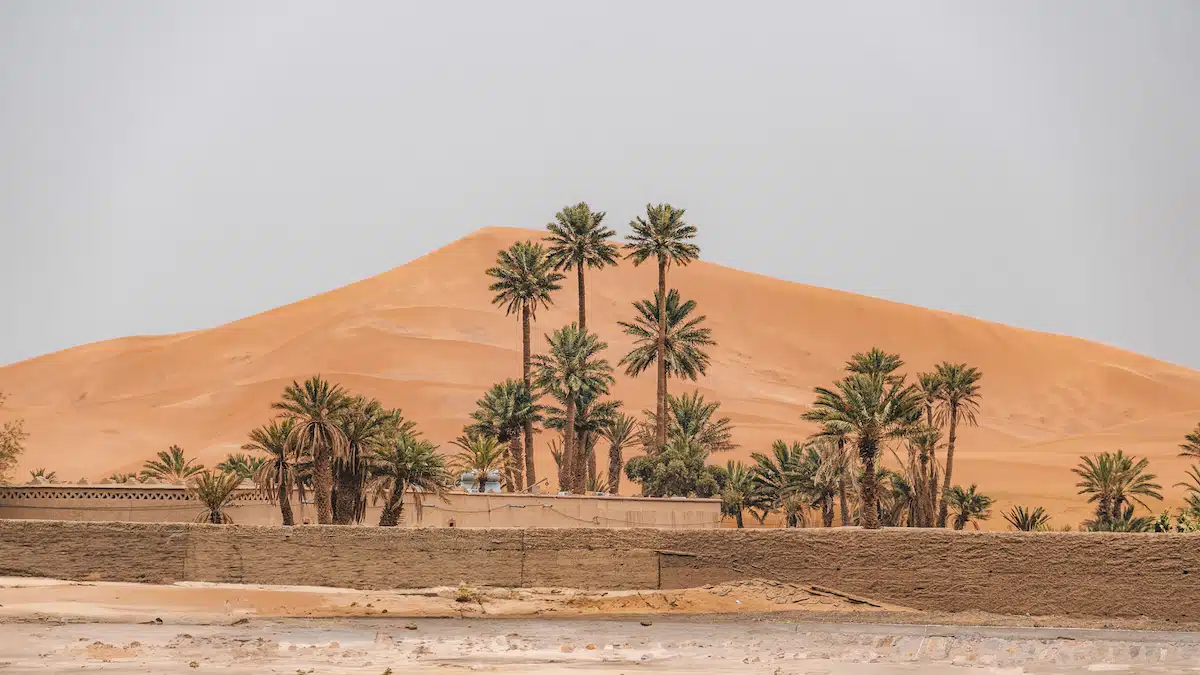
The first thing you notice is the silence: a profound quiet broken only by the whisper of wind over dunes the color of burnt honey. Planning your Sahara desert tours in Morocco requires more than just booking a camel ride. It’s about crafting an experience that matches your pace, interests, and sense of adventure. This guide cuts through the generic advice to give you a detailed, local’s perspective on choosing the right tour, understanding exactly what to expect, managing your budget, and respecting the cultural and environmental nuances of the Moroccan Sahara. You’ll learn which dunes to visit, when to go, what a typical day looks like, and how much to realistically budget for a trip that stays with you long after the sand settles from your shoes.
The Moroccan Sahara: Understanding Erg Chebbi vs Erg Chigaga
Not all sand seas are created equal, and choosing between Erg Chebbi and Erg Chigaga determines everything from drive time to the quality of your sunset views. Erg Chebbi sits near Merzouga, 560 kilometers southeast of Marrakech (about nine to ten hours by road). Its dunes rise up to 150 meters tall, and the area benefits from a paved road straight into the village. This accessibility supports the highest density of desert camps in Morocco, making it the natural choice for shorter two- to three-day tours from Fes or Marrakech.
Erg Chigaga sprawls near M’Hamid, a two-hour 4×4 transfer from the last paved road. Its dunes reach 300 meters and feel genuinely remote. You’ll encounter fewer camps, less infrastructure, and a profound sense of isolation that Erg Chebbi, for all its beauty, cannot match. The trade-off is simple: you sacrifice convenience for solitude. Most travelers seeking an ‘authentic’ experience prefer Erg Chigaga, but you need an extra day and tolerance for bumpy desert tracks.
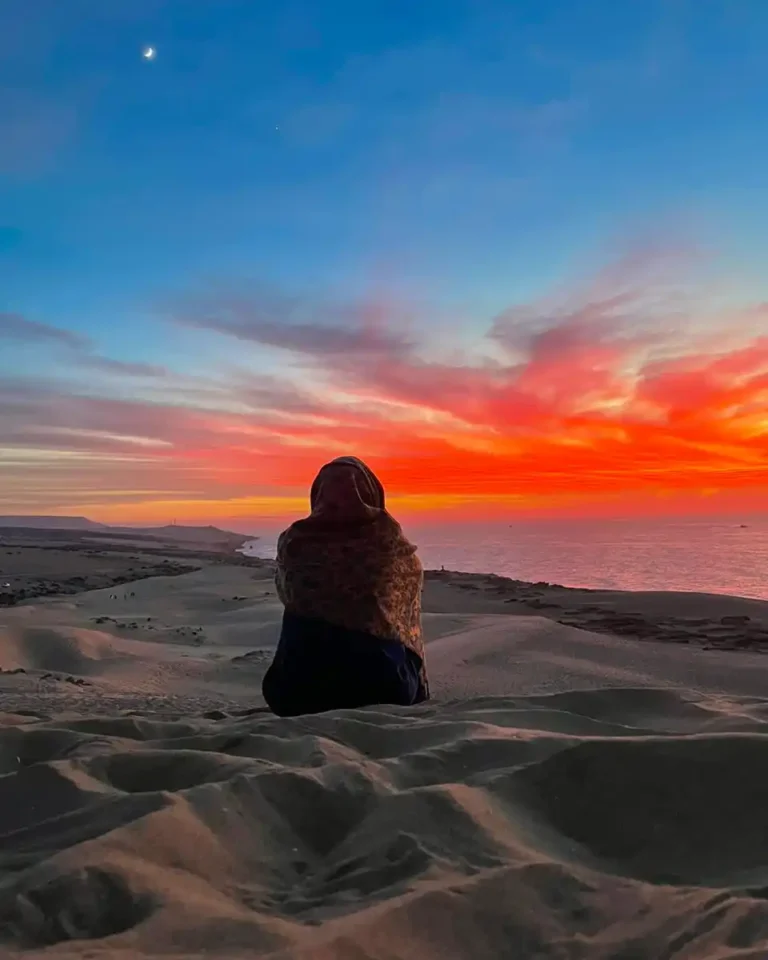
The Zagora region offers a third option: smaller dunes like Erg Nssissa, often sold as two-day desert tours from Marrakech. However, the landscape here is more rocky than classic sandy dunes. If your mental image of the Sahara includes towering, wind-sculpted sand ridges, Zagora will disappoint. The best photo spot in Erg Chebbi is atop the dune directly behind the standard camps, not the overcrowded one where most tours stop. For the most dramatic sunrise, position yourself on the eastern face of Erg Chebbi’s highest ridge, where the light turns the sand from rose to gold in under ten minutes. If you’re serious about traveling to the Moroccan Sahara, understanding these regional differences is the first step to booking the right tour.
Which Dune System Fits Your Timeline?
- Erg Chebbi (Merzouga): Ideal for first-time visitors with two to three days. Accessible via paved roads, varied camp options from budget to luxury, reliable infrastructure.
- Erg Chigaga (M’Hamid): Best for travelers with four or more days who prioritize remoteness and don’t mind a longer, rougher journey. Fewer tourists, quieter nights, taller dunes.
- Zagora (Erg Nssissa): Only suitable if you have limited time and lower expectations. The landscape is less sandy, more rocky. Often used as a marketing shortcut for ‘quick desert tours.’
How to Choose Your Morocco Desert Tour: Private vs Group & Itineraries
The difference between a private and group desert tour is not just comfort, it’s control over your experience. A private tour allows you to spend an extra hour photographing Todra Gorge while a group tour moves on. You decide when to stop for tea at a roadside kasbah, how long to linger in Aït Benhaddou, and whether to skip the fossil shop in Erfoud. The average cost for a mid-range private tour runs 1,000 to 2,500 MAD (100 to 250 USD) per person per day, depending on group size and camp quality.
Group tours follow fixed schedules and typically use larger camps with 20 or more tents. Interaction with your guide is limited, and you’ll share your camel trek with strangers. That’s not inherently bad, it just means less personalization. Expect to pay 300 to 600 MAD (30 to 60 USD) per person per day. The savings are real, but so is the loss of spontaneity. Most group tours depart at set times, stop at set locations, and arrive at camps filled with other groups.
Classic itineraries include three days from Marrakech via the Dades Valley, three days from Fes via Midelt, and four to five days crossing from Marrakech to Fes (or reverse). The Marrakech route takes you through Aït Benhaddou, a UNESCO-listed ksar where clay towers rise against a backdrop of arid hills. You’ll lunch in Todra Gorge, where sheer rock walls narrow to just ten meters across, and overnight in the Valley of the Roses before reaching the dunes. The Fes route crosses the Middle Atlas, passing through cedar forests and Berber villages, offering a quieter, less-touristed approach to the desert. If you want to understand how to plan a Sahara desert tour from Marrakech, start by deciding whether flexibility or budget is your priority.
Sample Day-by-Day Comparison: Private vs Group
On a private tour, day one begins when you’re ready. Your driver picks you up from your riad, and you set the pace. If you want to photograph the Anti-Atlas light at dawn, you leave early. If you need a slow morning, you start at nine. You stop when something interests you: a roadside argan cooperative, a crumbling kasbah, a shepherd moving his flock. Lunch happens when you’re hungry, not on a fixed schedule.
On a group tour, departure is 8:00 AM sharp. The minivan holds eight to twelve people, and stops are predetermined. Aït Benhaddou gets one hour. Lunch is at a specific restaurant in Ouarzazate. Todra Gorge is a photo stop, not an exploration. You reach the auberge near the dunes by late afternoon, and the camel trek leaves at a set time whether you’re ready or not. The experience is efficient, predictable, and budget-friendly. The trade-off is agency.
A Day on a Sahara Desert Trip: Camel Treks, Camps, and Celestial Skies
Your sahara desert trip morocco begins at an auberge on the edge of the dunes, usually mid-afternoon. You leave your luggage in a secure room, pack a small overnight bag, and meet your camel guide. The camels kneel, you mount (less graceful than it looks), and the trek begins. Expect 45 to 90 minutes of swaying movement across rippled sand. Camel riding is not comfortable. Your hips will complain. Wear long pants, not shorts, and bring a scarf to shield your face from wind and sand.
You arrive at camp as the sun dips low, casting long shadows across the dunes. Most camps arrange tents in a semicircle around a central area. Basic camps have shared toilet tents (squat or western style, minimal water pressure). Luxury camps offer private en-suite bathrooms and proper beds. Dinner is typically chicken or lamb tagine, couscous, and salad, prepared over a fire or in a camp kitchen. Portions are generous. After dinner, guides play traditional Berber music around the campfire: drums, hand claps, call-and-response songs in Tamazight. If you want to explore camp options in the Sahara desert, you can refer to this article about luxury vs. standard Sahara desert camp for complete comparison, prices, and more.
Nighttime in the Sahara is when the desert earns its reputation. The Milky Way stretches overhead, visible in detail you’ve likely never seen. Temperatures plummet: from 35°C (95°F) during the day in April to 5°C (41°F) after midnight. You’ll need every blanket in your tent. Morning wake-up is optional but worth it. The sunrise from the top of a nearby dune turns the sand from violet to rose to gold in minutes. Breakfast is simple: bread, jam, cheese, coffee, and mint tea. You return to the auberge by camel or 4×4, depending on your preference and energy level. In Merzouga, the local hammam offers a welcome reset after a night in the desert. Ask your guide for the cleanest one, usually run by a family near the main square. If you’re planning to visit the desert in winter, expect even colder nights and pack accordingly.
What Most Guides Don’t Tell You About Desert Camps
Most travel blogs romanticize the desert camp experience without mentioning the practical realities. Here’s what you need to know: basic camps have limited running water, and showers (if available) are cold or solar-heated (effective only if the sun was strong that day). Toilets are functional but rustic. Luxury camps address these issues with proper plumbing, but they cost significantly more (300 to 600 MAD, or 30 to 60 USD, extra per night).
Cell phone signal is nonexistent in most camps. Charging is limited to a few hours in the evening when the generator runs. Bring a power bank. The Berber music and campfire are genuine cultural experiences, not performances for tourists, but you’re still a guest in a commercialized version of traditional nomadic life. Approach it with respect and realistic expectations.
When to Visit: A Month-by-Month Guide to the Sahara
October through November and March through April represent peak season for merzouga desert tour experiences. Daytime temperatures hover between 20°C and 28°C (68°F to 82°F), and nights cool to 10°C to 15°C (50°F to 59°F). The weather is stable, skies are clear, and the desert feels welcoming rather than hostile. You’ll need to book camps two to three months in advance during these periods, especially around European holiday breaks.
December through February brings winter to the Sahara. Nights regularly drop below 5°C (41°F) and occasionally reach freezing. Days remain pleasant at 15°C to 20°C (59°F to 68°F), but you’ll need a serious sleeping bag or confirmation that your camp provides adequate heating. Fewer tourists visit in winter, which means quieter camps and more personalized attention from guides. If you can tolerate the cold, winter offers an exceptional desert experience without the crowds.
May and September are shoulder months. Late May can exceed 35°C (95°F) during the day, and the risk of sandstorms increases. The Chergui wind, a hot, dry blast from the east, can reduce visibility and make outdoor activities unpleasant. Early September still carries summer heat, but by mid-month temperatures moderate. These months offer a middle ground: fewer tourists than peak season, but less predictable weather. June through August is extreme. Daytime temperatures regularly hit 40°C to 50°C (104°F to 122°F). Many tours still operate, but activities shift to early morning and late evening. Midday is spent resting in shade or air-conditioned spaces. If you visit in summer, choose a luxury camp with air conditioning or a pool. Basic camps offer no relief from the heat, and sleeping becomes difficult. To understand broader seasonal patterns, consult our guide on the best time of the year to visit Morocco.
Month-by-Month Temperature and Crowd Overview
- October-November: High 24-28°C (75-82°F), Low 10-15°C (50-59°F). Peak crowds. Book early.
- December-February: High 15-20°C (59-68°F), Low 2-8°C (36-46°F). Low crowds. Cold nights, bring warm layers.
- March-April: High 22-28°C (72-82°F), Low 8-14°C (46-57°F). Peak crowds. Ideal conditions.
- May: High 30-36°C (86-97°F), Low 16-20°C (61-68°F). Moderate crowds. Heating up, risk of wind.
- June-August: High 38-50°C (100-122°F), Low 22-28°C (72-82°F). Low crowds. Extreme heat, avoid if possible.
- September: High 32-38°C (90-100°F), Low 18-22°C (64-72°F). Moderate crowds. Still hot, cooling toward month’s end.
Ramadan’s dates shift annually. In 2026, Ramadan is expected to fall in late February through late March. Tours operate normally, but guides and drivers may be fasting. Meal times adjust, and some restaurants in towns close during daylight hours. The desert experience itself remains unchanged.
Budget Breakdown: The Real Cost of a Sahara Desert Tour
Understanding the real cost of sahara desert tours morocco requires looking beyond the advertised tour price. Most tours include transport in a 4×4 or minivan, a driver or guide, one night in a desert camp, camel trek, and meals (dinner and breakfast). Some packages include a mid-range hotel the night before or after the desert. What’s typically not included: lunches, bottled water, soft drinks, tips, and optional activities like quad biking or sandboarding.
A three-day private tour from Marrakech to Merzouga and back ranges from 4,500 to 7,500 MAD (450 to 750 USD) per person, depending on group size and camp quality. A solo traveler pays more per person than a group of four sharing one vehicle. Luxury camps with private bathrooms, real beds, and better food add 200 to 400 MAD (20 to 40 USD) per person per night. A comparable three-day group tour costs 2,400 to 3,600 MAD (240 to 360 USD) per person.
Additional costs add up. Lunches at roadside restaurants cost 80 to 120 MAD (8 to 12 USD) per meal. Bottled water is 5 to 10 MAD (0.50 to 1 USD) per liter. Tips are customary: 50 to 100 MAD (5 to 10 USD) per day for your driver-guide, and 20 to 50 MAD (2 to 5 USD) for the camel guide. If you try quad biking in the dunes, expect to pay 250 to 400 MAD (25 to 40 USD) for 30 to 60 minutes. Payment for tours often requires a deposit via bank transfer or PayPal, with the balance paid in cash (MAD or EUR) directly to the guide or driver upon arrival. For more context on travel expenses across Morocco, read our breakdown of the cost of travel in Morocco.
Budget vs Mid-Range vs Luxury: What You Get
- Budget Private Tour (3 days): 1,200-1,800 MAD (120-180 USD) per person. Shared bathroom camps, basic vehicle, less experienced guide, larger group size (up to 6 people in one vehicle).
- Mid-Range Private Tour (3 days): 1,800-2,500 MAD (180-250 USD) per person. Private or semi-private bathroom camps, comfortable 4×4, knowledgeable driver-guide, smaller group (2-4 people).
- Luxury Private Tour (3 days): 2,500-3,500 MAD (250-350 USD) per person. En-suite bathroom camps with real beds, premium 4×4, expert guide, maximum flexibility, gourmet meals, added amenities (wine, better linens).
The price difference reflects more than just camp quality. Higher-priced tours employ better-trained guides who speak multiple languages, explain regional history, and adjust the itinerary to your interests. The vehicle is newer and better maintained. Meals improve significantly. You get what you pay for, and in the desert, comfort and knowledge matter.
Packing and Etiquette: Thriving in the Desert Respectfully
Packing for a morocco sahara experience requires balancing weight with preparedness. Essential items include a headscarf or shemagh (protects against sun and blowing sand), polarized sunglasses, high-SPF sunscreen (50+ recommended), lip balm with SPF, a power bank (camps have limited charging hours), a headlamp or flashlight (camp pathways are dark), wet wipes (showers are limited), and a lightweight warm layer like a fleece. Nights in the desert are cold, even in shoulder seasons. If you’re visiting a basic camp in winter, bring a sleeping bag liner for extra warmth.
Footwear matters. Wear closed-toe shoes for camel riding (sandals slip off and offer no protection). Bring sandals or flip-flops for walking around camp. Avoid heavy hiking boots; the sand gets everywhere, and you’ll spend more time emptying them than walking. A small daypack for your overnight essentials (change of clothes, toiletries, headlamp) is sufficient. Leave your main luggage at the auberge.
Cultural etiquette in the desert and surrounding villages is straightforward but important. Dress modestly: cover shoulders and knees. This applies to both men and women, though women should be especially mindful in conservative rural areas. Always ask permission before photographing people. Many Berbers, particularly older generations, are uncomfortable being photographed without consent. Accept offered mint tea: it’s a sign of hospitality, and refusing can be seen as rude. Learn a few words in Tamazight (Amazigh language): “Azul” means hello, “Tanmirt” means thank you. Your effort will be appreciated. Bargaining is expected in souks and markets, but not for tour services. Prices for tours should be agreed upon in advance and honored. For broader cultural guidance, see our advice for travelling to Morocco.
Interacting with Berber Communities: Do’s and Don’ts
If your tour includes a visit to a nomadic family or village, approach the interaction with respect and curiosity. Do accept invitations to sit and share tea. Do ask questions about their way of life, through your guide if needed. Do bring a small gift: sweets, school supplies, or fresh fruit are appropriate. Never give money directly to children; it encourages begging and disrupts local dynamics. Do not photograph inside homes without explicit permission. Do not touch personal belongings or religious items. Do not expect nomadic families to perform for you; they are living their lives, not acting in a cultural exhibit.
Is a Sahara Desert Tour the Right Choice for Your Morocco Trip?
The Sahara is not a monolithic destination. Choosing between Erg Chebbi and Erg Chigaga fundamentally shapes your experience, from the length of your journey to the depth of isolation you’ll feel. The value of a private tour lies in the seamless flexibility it provides, turning a checklist itinerary into a personal exploration. Success hinges on timing your visit correctly and packing for extreme temperature shifts, from midday heat to midnight cold.
A Sahara desert tour is worth the investment for travelers who value profound landscape experiences and cultural connection. It’s less suited to those who dislike long drives, rustic accommodations, or physical discomfort. The desert is not a resort. It’s raw, challenging, and quiet. If you’re willing to meet it on its terms, it offers something rare: a landscape so vast and ancient that it reframes your sense of scale and time.
If this detailed guide resonates with your travel style, where the journey matters as much as the destination, a private tour is likely your ideal path. We design private Sahara experiences from Marrakech the Sahara desert and Fes to the Sahara desert that match your pace, interests, and sense of adventure. You’ll travel with knowledgeable guides who know which dunes catch the best light, which camps offer the most authentic hospitality, and how to navigate the desert with respect and awareness. Let us craft an itinerary that turns the Sahara from a bucket-list item into a memory you’ll carry for decades. Explore our curated desert itineraries.
📩 Contact us: contact@mementomorocco.com | +49 1522 3075977