Are There Travel Restrictions to Morocco? A Detailed Guide
Knowing about travel restrictions in morocco is essential if you plan a trip to Morocco. This article will dive deeper into the entry requirements, health measures, safety, and questions people often ask.
Entry Requirements
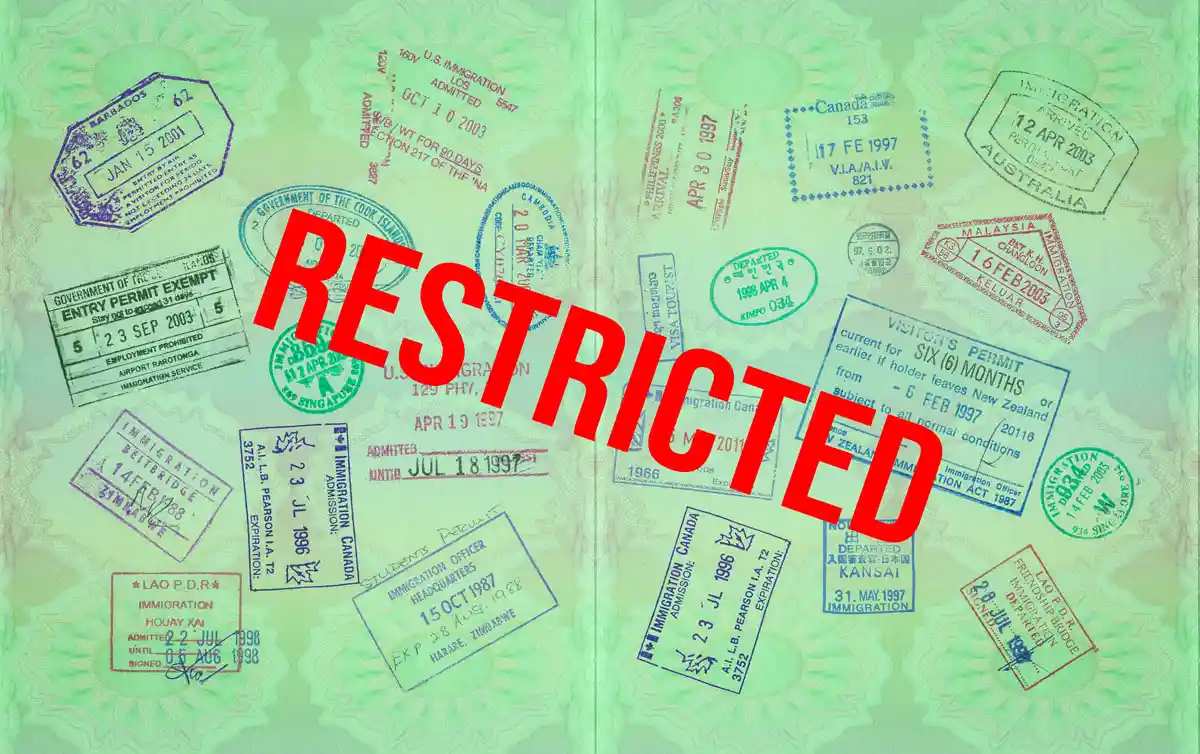
For most visitors, including those from the EU, US, and Canada, Morocco only requires a visa for stays up to 90 days. However, ensuring your passport is valid for at least six months beyond your departure date is important to avoid problems at the airport. If you plan a longer stay, consider extended visa options or renewals (You can do a border run to Ceuta, Melilia, or even Spain).
For travelers from other countries, make sure to check Morocco’s official immigration website to confirm if you need a visa. Always carry your passport (preferably not your government-issued ID if you are not Moroccan or a Moroccan resident) and follow the regulations when entering and exiting the country.
Health Restrictions
There are currently no health restrictions. Morocco has largely lifted its health restrictions, but staying updated is always a good idea. There might be specific requirements, like vaccination certificates or a negative PCR test, especially if there are global health concerns. Entry rules may also change depending on local health developments, so checking the latest updates before you travel is important.
Additionally, travelers are advised to get certain vaccinations, such as hepatitis A and typhoid, before visiting Morocco, especially if traveling to more rural areas.
Safety and Travel Concerns
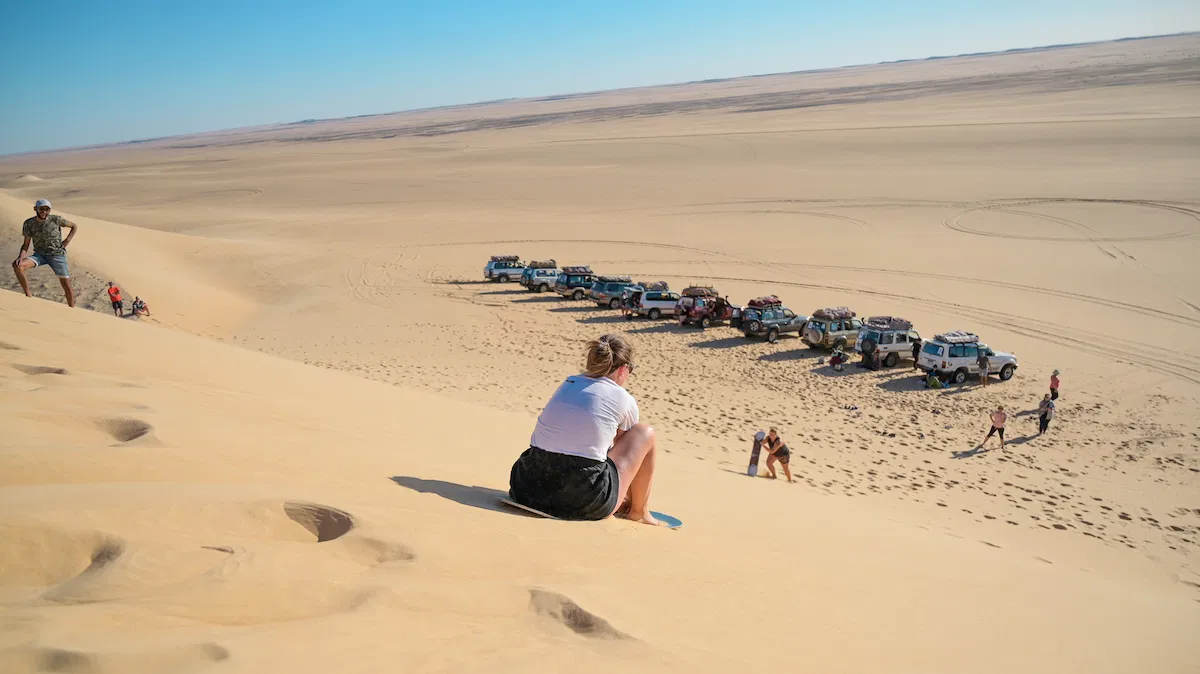
Morocco is considered a safe destination for tourists, but like any country, it’s good to take some precautions:
- Use registered guides: Especially in cities like Marrakech and Fez, always opt for licensed guides to avoid scams. You can easily book a certified guide by contacting us directly.
- Avoid isolated areas at night: Stick to well-lit, busy areas and use official taxis or private transportation (or preferably book a guided tour that provides guidance and transportation).
- Stay cautious with vendors: When in local markets, practice caution with vendors to avoid overpriced purchases or aggressive sales tactics. Try haggling, it is expected, start by offering half the price and start your way up.
You can learn in details about safety in Morocco in this article.
Transportation Restrictions
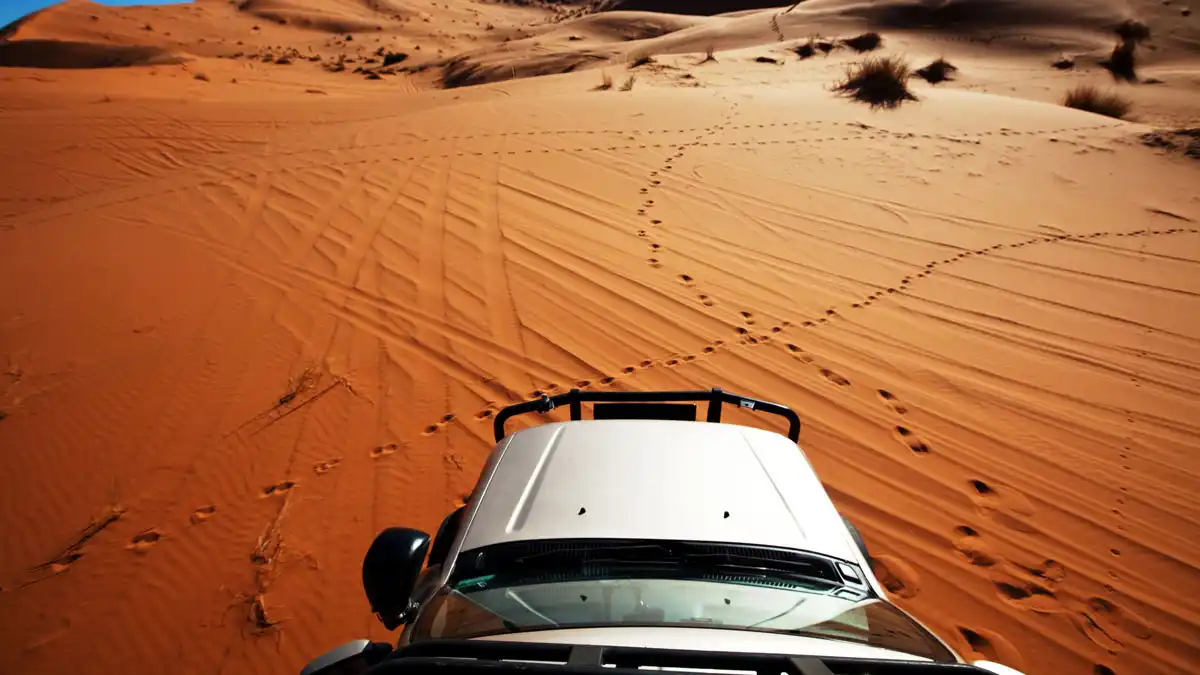
Check the driving rules for renting a car or taking public transportation. Having an international driving permit to rent a car in Morocco would be best. Road conditions are generally good in cities, but more rural areas may have rough roads, so be cautious when traveling long distances. GPS is a must, especially if you are travelling to remote areas.
Conclusion: Are There Travel Restrictions to Morocco?
Traveling to Morocco is generally safe, with minimal restrictions, but staying informed is always best. Whether it’s entry requirements, health precautions, or travel tips, being prepared will help make your trip smoother.
Ready to explore Morocco? Check out our tours from Marrakech to the Sahara Desert or our Marrakech to Fez through the desert tours for a memorable experience. Don’t forget to browse our blog for more travel tips and information on the best places to visit in Morocco, or contact us if you want to learn more about traveling safely in Morocco!