Best Time to Visit the Sahara Desert in Morocco: Weather, Seasons & Insider Tips
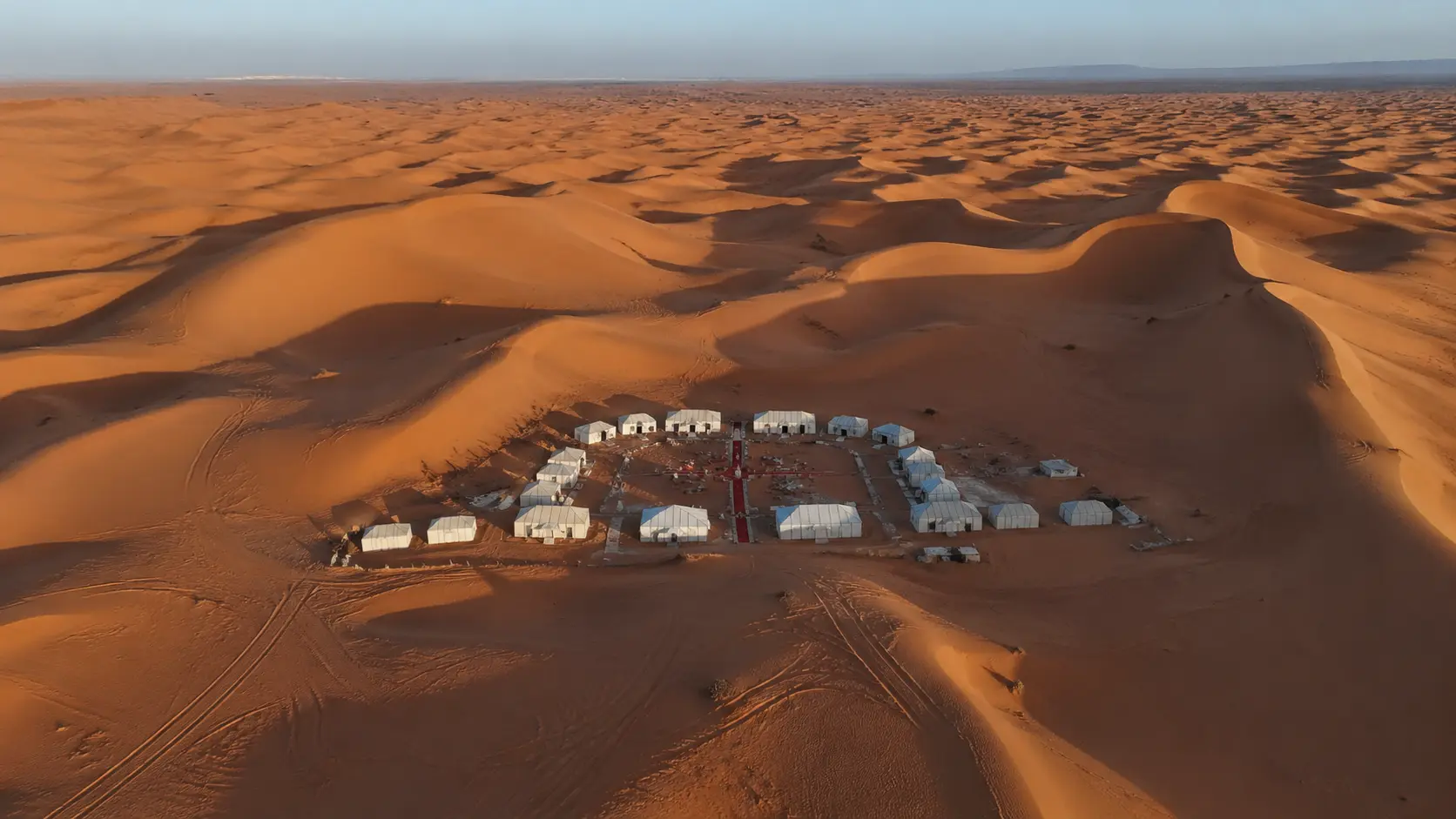
The sun crests over Erg Chebbi, painting the sand in shades of honey and amber. You’re wrapped in a thick blanket, sipping mint tea, and the only sound is the wind. That perfect desert morning happens only if you pick the right season. Knowing the best time to visit the Sahara desert in Morocco can make the difference between a dream trip and a dusty ordeal. Some travelers arrive in July and wilt under 45°C heat. Others book December and freeze at night without proper gear. This guide breaks down exactly which month suits your travel style, what weather to expect in each season, and how to avoid the biggest mistakes first-timers make when planning their Sahara adventure.
Sahara Desert Weather by Month: A Practical Breakdown
The best time to visit the Sahara desert in Morocco spans October through April, when daytime temperatures range from 20 to 28°C (68 to 82°F) and nights cool to 5 to 12°C (41 to 54°F). These months offer comfortable trekking conditions, clear skies for stargazing, and manageable temperature swings. May and September serve as transitional months with highs around 35°C (95°F), still pleasant in early morning and evening but requiring midday shade breaks.
June through August brings extreme heat, with daytime temperatures climbing to 45°C (113°F) at Erg Chebbi near Merzouga. Nights remain warm at 25°C (77°F), which sounds appealing until you realize there’s no escape from the heat. December and January are the coldest months, with night temperatures dropping to 0°C (32°F) in the deep desert. January mornings are so crisp you can see the breath of camels as they shuffle through the sand before sunrise.
Dust storms (sirocco winds) strike most often between March and May, reducing visibility and coating everything in fine red powder. Merzouga and Erg Chebbi face stronger winds than the more remote Erg Chigaga, which sits further from the Atlas passes. November and December offer the calmest conditions, with barely a breeze to disturb the perfect ridges of the dunes. For detailed month-by-month temperature data and rainfall patterns, check our Sahara desert weather in Morocco guide.
Spring (March to May): Wildflowers and Wind
March and April bring mild days between 22 and 28°C (72 to 82°F), perfect for camel trekking without overheating. After rare spring rains, wildflowers bloom across the desert floor, a photographer’s dream most guidebooks never mention. However, sirocco winds pick up in late April, creating hazy skies and occasional sandstorms that can delay tours.
Summer (June to August): Only for Heat Lovers
Summer heat exceeds 40°C (104°F) daily, reaching 50°C (122°F) during heat waves. Most camps limit treks to sunrise and sunset hours and offer air-conditioned tents . This season sees the lowest tourist numbers and the best deals, but you pay for savings with sweat.
Autumn (September to November): Peak Season Returns
September still hovers around 35°C (95°F), but by October temperatures drop to 25°C (77°F) during the day and 10°C (50°F) at night. November offers the longest golden hours for photography because the sun sits low on the horizon. Crowds return during these months, so book private camps at least six weeks in advance.
Winter (December to February): Cold Nights, Empty Dunes
Winter delivers the quietest desert experience, with daytime highs of 18 to 22°C (64 to 72°F) and freezing nights as low as 0°C (32°F). You’ll need four layers: thermal base, fleece, down jacket, and windproof shell. The payoff? Crystal-clear skies for stargazing and dunes completely to yourself.
When to Visit Merzouga: Best Months for Camel Treks & Glamping
Merzouga, the gateway to Erg Chebbi, operates year-round but shines brightest from March to May and September to November. These months balance comfortable trekking temperatures with stunning light conditions. Peak season (March through May and September through November) means higher prices and crowded camps, so book your private desert camp at least two months ahead to secure a tent away from the tourist clusters.
Off-peak season (December through February) offers a different reward: empty dunes and starry skies so bright the Milky Way casts shadows. You’ll pay 30% less for camps during these months, but temperatures drop to 0°C (32°F) at night. Ask your camp to provide extra wool blankets; the thin synthetic ones most standard camps offer won’t cut it. Spring months (March and April) bring a rare bonus after occasional rains: wildflowers bloom across the desert floor, turning the sand gold and green for two weeks.
Summer (June through August) limits camel treks to early morning (before 9am) and late afternoon (after 5pm). Most luxury camps add air conditioning and swimming pools to justify the discomfort. For a more remote, silent experience, consider Erg Chigaga instead of Merzouga during peak months; it requires a longer drive but offers solitude most travelers never find. Check our complete guide to Sahara desert tours for a detailed comparison of desert regions.
November: The Photographer’s Secret Window
November stands out as the single best month for sunrise and sunset photography. The sun rises around 7am and sets by 6pm, creating long golden hours with dramatic shadows across the dunes. Book a camp on the edge of the dune field (not the central tourist area near Merzouga village) and schedule your trek during the new moon phase for the darkest skies and brightest stars.
Morocco Desert Climate: Understanding the Extremes
Morocco’s Sahara operates under a continental desert climate, which means scorching days and freezing nights with almost no rainfall. The average annual rainfall across the Sahara region sits below 100mm, with most precipitation falling between November and March. Daily temperature swings exceed 20°C (36°F), catching unprepared travelers off guard. You can sunburn at noon and shiver by midnight on the same day.
Winter surprises most first-timers. Daytime feels pleasant at 18 to 22°C (64 to 72°F), warm enough for a light jacket. But after sunset, temperatures plummet to 0 to 5°C (32 to 41°F), and without proper layers, you’ll spend the night huddled by the campfire instead of enjoying the stars. We recommend four layers: thermal underwear, a fleece mid-layer, a down jacket, and a windproof outer shell. One detail most guides miss: in winter, the sand freezes so hard that camel hooves leave no prints until the sun rises and softens the surface.
Summer heat waves push temperatures to 50°C (122°F), creating real heatstroke risk for anyone hiking midday. Private tours allow you to sleep through the worst heat in an air-conditioned tent and explore dunes at 6pm when the sand cools enough to walk barefoot. Wind patterns shift seasonally; April and May bring the strongest gusts (sirocco winds from the Sahara interior), while November and December offer the calmest conditions. For winter-specific planning advice, read our guide on visiting the desert in winter.
What Others Get Wrong About Desert Cold
Travel blogs claim “the desert is always hot.” That’s dangerously wrong. December and January nights at Erg Chebbi drop below freezing, and standard camp blankets (thin synthetic throws) won’t keep you warm. Serious camps provide thick Berber wool blankets; ask before booking. If you arrive unprepared, your perfect desert night turns into a sleepless ordeal.
Sahara Desert Temperature Seasons: A Photographer’s Guide to Golden Hours
The Sahara offers four distinct photography seasons, each with unique light conditions and challenges. Golden hour timing shifts dramatically throughout the year: summer sunrise arrives around 5:30am while winter sunrise waits until 7:30am. This affects your wake-up call and how much sleep you sacrifice for that perfect shot. October through March delivers the best conditions for star trail photography, especially during the new moon when the Milky Way stretches across the sky without competing light.
Dust storms between April and May create dramatic, diffuse light that softens harsh shadows and adds layers of haze to distant dunes. Storm chasers prize these conditions for moody, atmospheric shots most travelers avoid. The winter solstice (December 21) offers the shortest day of the year, which means longer golden hours and dramatic low-angle shadows perfect for dune textures. Spring rains (rare but magical) create temporary lakes in desert depressions, offering once-a-year reflection shots of dunes mirrored in still water.
For the iconic camel silhouette shot, position yourself on the crest of a dune facing east at sunrise during November. The sun rises behind the camel caravan, and the natural morning haze adds depth to the composition. Avoid shooting during midday in any season; the overhead sun flattens dunes and washes out colors. Early morning and late afternoon (one hour before sunset) produce the warmest tones and longest shadows.
Star Photography: Timing the New Moon
The full moon brightens the desert so much you can read by its light, but it drowns out the Milky Way. For star trail or astrophotography, book your desert camp during the new moon phase between October and March. Check a lunar calendar when planning; even a crescent moon reduces star visibility by half.
The Hidden Factor: How Religious Holidays & Festivals Affect Your Desert Trip
Morocco’s religious calendar directly impacts desert tour availability and experience, yet most travel guides skip this entirely. During Ramadan (dates shift yearly based on the lunar calendar), restaurants close during daylight hours, and desert camps adjust meal times to sunset and pre-dawn. Service slows as staff members fast, though camps still operate and prices drop by 15 to 20%. Eid al-Adha (the Festival of Sacrifice) shuts down many camps for two to three days as guides return to family; always check dates before booking.
The Merzouga International Festival of World Sacred Music, held each July, transforms the quiet desert town into a cultural hub with performances, crowds, and prices 40% higher than normal. If you want authentic desert silence, avoid this week. National holidays like Throne Day (July 30) and Revolution Day (August 20) see some camps host special celebrations with traditional music and extra courses at dinner. Friday prayer requires most guides to take a midday break (roughly 1pm to 2pm), so plan your dune trek around this pause.
For a nearly private desert experience, book during the week immediately following Eid al-Fitr (the end of Ramadan). Most Moroccan families travel to visit relatives, leaving tourist sites quieter than any other time of year. Camps offer discounts to fill empty tents, and you’ll have entire dune fields to yourself at sunrise.
Ramadan: What Changes in the Desert
Desert camps continue operating during Ramadan, but expect adjusted meal schedules (iftar at sunset, suhoor before dawn) and limited daytime food service in nearby towns. Guides appreciate travelers who avoid eating or drinking visibly during fasting hours. The upside? Lower prices and a chance to experience iftar, the communal breaking of fast, with your camp staff.
Ready to Plan Your Sahara Desert Adventure?
The best time to visit the Sahara desert in Morocco depends on your priorities: comfort, photography, or budget. October, November, March, and April offer the best all-around experience with mild days, cool nights, and manageable crowds. Whatever season you choose, a private tour gives you the flexibility to adjust your schedule to weather conditions and avoid the central tourist zones where dozens of camps cluster together.
Now that you know when to go, let’s help you build the perfect desert itinerary. Imagine waking at sunrise in a private Erg Chebbi desert camp, trekking golden dunes before the heat sets in, and sleeping under stars so bright you’ll count shooting stars until you drift off. Whether you’re planning Sahara desert tours from Marrakech, a multi-day journey combining Fes and Merzouga, or a remote camel trekking experience in Erg Chigaga, timing turns a good trip into a memorable one.
Contact us today to design your private Sahara desert tour. We’ll match the timing to your dream experience, whether it’s a starry winter night with frozen sand underfoot or a vibrant spring sunset over blooming wildflowers. Our team knows which camps offer thick Berber blankets, which dunes stay empty during peak season, and exactly when the new moon rises for perfect astrophotography. Let’s turn your desert dream into a memory you’ll carry forever.
📩 Contact us: contact@mementomorocco.com | +49 1522 3075977