
From Tangier to Sahara Desert: Your Ultimate Route & Planning Guide
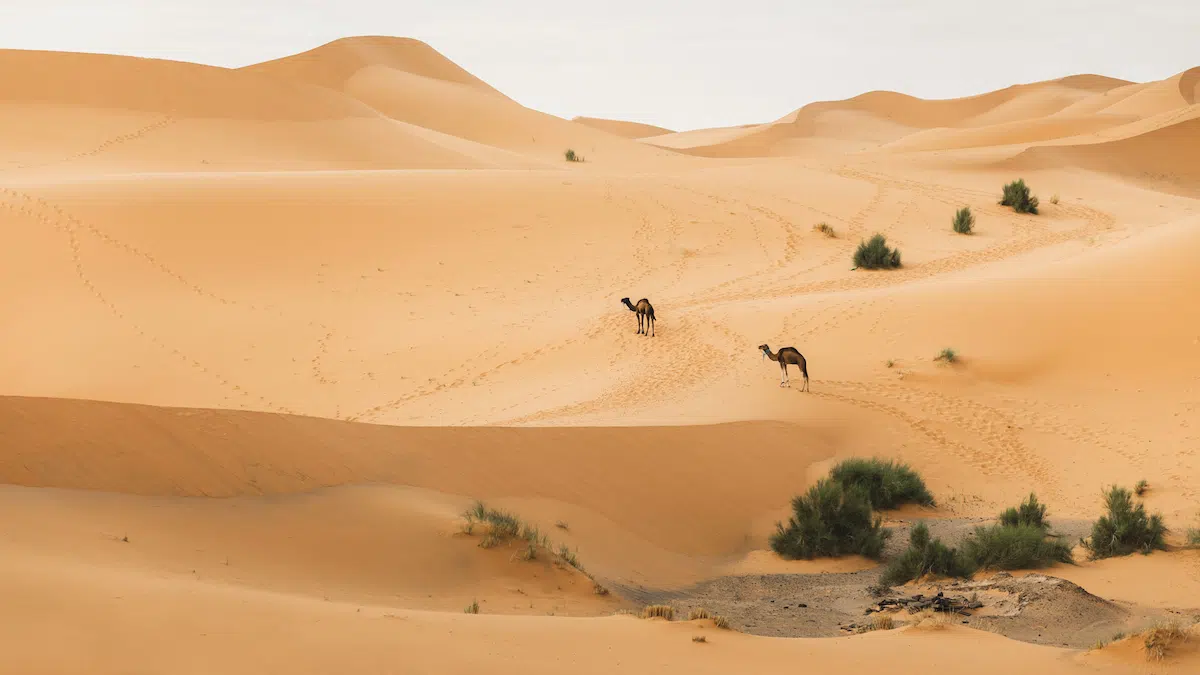
Stand at Tangier’s Kasbah and feel the cool Mediterranean breeze off the Strait of Gibraltar. Now picture yourself 11 hours south, barefoot on the silent, scorching dunes of Erg Chebbi near Merzouga, where the only sound is sand shifting in the wind. Planning the journey from Tangier to the Sahara Desert is a rite of passage for Moroccan travelers, but most guides skip the tactical details that make or break this trip. This guide cuts through the generic advice to give you a strategic, step-by-step plan covering routes, realistic timings, costs, and the crucial decision between a DIY trip and a private tour, based on a decade of crafting these journeys.
Mapping the Journey: Tangier to Sahara Desert Distance & Routes
The straight-line distance from Tangier to Merzouga is approximately 560 kilometers (348 miles), but the actual road journey takes 9 to 11 hours of driving time, excluding stops. This is not a point-to-point highway trip. You’re crossing three distinct geographic zones: the Mediterranean coastline, the Middle Atlas Mountains, and the pre-Saharan hamada (rocky desert plateau) before reaching the dunes.
The primary route is Tangier to Rabat or Casablanca via the A1 toll highway, then east to Fes, south through Midelt and Errachidia, and finally southeast to Erfoud and Merzouga. This is the most efficient and scenic option because it allows you to stop in Fes el-Bali, the oldest walled medina in the world, and then traverse the Ziz Valley, a lush palm oasis that appears like a green ribbon through the desert. The final 50 kilometers from Erfoud to Merzouga shifts from paved road to a flat, rocky expanse that prepares you mentally for the dunes.
An alternative coastal route runs Tangier to Asilah, down through Rabat and Marrakech, then east via Ouarzazate to Merzouga. This adds six or more hours to your trip but includes the High Atlas Mountains and the dramatic Tizi n’Tichka pass. Most travelers save this route for the return leg. If you’re planning a stop in Fes, the direct eastern route is the smarter choice for your first crossing.
What Most Guides Get Wrong About the Tangier to Merzouga Distance
Travel blogs cite the 560-kilometer distance and assume you can do it in seven hours. That’s a dangerous underestimate. The road south of Fes is not a highway. You’re climbing mountain passes, navigating hairpin turns near Azrou and Ifrane, and sharing narrow roads with livestock in rural villages. Factor in a lunch stop, fuel breaks, and the mental fatigue of driving unfamiliar terrain, and 11 hours becomes realistic. Self-drivers who push through in one day arrive exhausted, missing the entire point of the journey.
Your Transport Options: Self-Drive vs. Desert Tour from Tangier
Renting a car gives you freedom but comes with hidden complexity and cost. An SUV rental in Tangier starts at 400 to 700 MAD per day ($40 to $70 USD), depending on season and agency. Add approximately 500 MAD ($50 USD) in tolls for the A1 highway between Tangier and Fes, and 1,500 to 2,000 MAD ($150 to $200 USD) in fuel for the round trip. The real challenge is navigating the final approach to Merzouga. Most desert camps sit 10 to 15 kilometers off-road in the dunes, accessible only by 4×4 or camel. You’ll need to park your rental in Merzouga village and arrange separate transport, which most first-time visitors don’t anticipate.
A premium private tour from Tangier to Merzouga and back, spanning four days and three nights, costs approximately 6,000 to 9,000 MAD per person ($600 to $900 USD), all-inclusive. This includes the vehicle, an English-speaking driver-guide, fuel, tolls, desert camp with meals, camel trek, and strategic overnight stops in riads or guesthouses. The key advantage is seamless logistics. Your guide handles the transition from paved road to 4×4 to camel at the desert’s edge, knows which checkpoints near Erfoud require ID presentation, and can explain the Amazigh (Berber) culture of the Merzouga region as you drive. To understand the depth of this experience.
There’s also a train and bus combination option: take the train from Tangier to Fes (4 to 5 hours, approximately 250 MAD or $25 USD first class), then board the Supratours bus from Fes to Merzouga (9 hours, around 300 MAD or $30 USD). You’ll save money but sacrifice all flexibility and miss the scenery that makes this journey worth taking. You’re a passenger staring at the back of a seat, not a traveler absorbing the landscape.
The Tangier to Desert Route: Strategic Overnight Stops
Breaking this journey into two days with a strategic overnight stop is not optional, it’s intelligent travel planning. Your choice of stop shapes the entire experience. Option one is to overnight in Fes, which allows you to arrive from Tangier in approximately four hours via the toll road, leaving the afternoon and evening to explore the medina. A mid-range riad in Fes el-Bali costs 500 to 1,500 MAD per night ($50 to $150 USD). You wake up the next morning with only six to seven hours of driving to reach Merzouga, arriving in time for sunset over the dunes.
Option two is to push further south and overnight in Midelt or Azrou, gateway towns at the edge of the Middle Atlas Mountains. Midelt is known for its fossil shops and apple orchards, a quiet mountain town where basic but clean hotels cost around 250 MAD ($25 USD) per night. This cuts your driving time to the desert the next day to roughly four hours, giving you more time in the dunes. Azrou, slightly north of Midelt, sits near the cedar forests where Barbary macaques roam, a surreal stop if you have an extra hour.
Option three is to drive all the way to Erfoud or Rissani on day one, arriving late but waking up minutes from the dunes. Erfoud has better hotel infrastructure and is known as the “gateway to the Sahara.” Rissani, 20 kilometers south, is the historic trading post and birthplace of the Alaouite Dynasty. Hotels in Erfoud range from 300 to 800 MAD per night ($30 to $80 USD). If you’re on a private tour, your overnight stop is often a charming guesthouse in the Ziz Valley itself, an experience DIY travelers miss because these places don’t show up on booking sites. You sleep surrounded by date palms with the sound of the Ziz River in the distance.
The Feeling of Each Stop
Fes is an intense cultural immersion. The medina swallows you whole. Midelt is a quiet mountain pause, the air cooler, the pace slower. Erfoud is palpable anticipation. You can smell the desert in the air. Your choice depends on whether you want culture, nature, or pure proximity to the dunes.
When to Go: Seasonal Realities on the Northern Route
The best months to travel from Tangier to the Sahara Desert are late March through May and September through October. Tangier enjoys mild spring temperatures (15 to 25°C or 59 to 77°F), Fes is warm but not oppressive, and the desert is comfortably hot during the day (25 to 35°C or 77 to 95°F) with cool, starlit nights. These months offer the Goldilocks zone: not too hot, not too cold, and minimal risk of rain or snow in the mountains.
Summer (June through August) is punishing in the Sahara, with temperatures regularly exceeding 45°C (113°F) during the day. The drive from Fes south becomes taxing, and air conditioning in your vehicle shifts from luxury to non-negotiable survival tool. If you’re traveling in July or August, plan to reach your desert camp by mid-afternoon, rest during peak heat, and enjoy the dunes at sunset. Hydration is critical. Carry at least 3 liters of water per person in the car.
Winter (December through February) brings a different set of challenges. Tangier and Fes can be cold and rainy, with temperatures dropping to 5 to 10°C (41 to 50°F). The leg between Midelt and Erfoud crosses the Atlas Mountains via the Tizi n’Talghomt pass, which can be covered in snow between December and March. If you’re driving yourself in winter, check road conditions before departing Midelt. Desert nights in winter can drop below freezing, so pack a fleece jacket and warm layers for sleeping. Many travelers underestimate how cold the Sahara gets after dark. Check our article about traveling to the Sahara Desert during winter for more info.
Ramadan also affects travel logistics. Tours operate year-round, but roadside restaurants and cafes may be closed during daylight fasting hours, limiting your food and drink options on the road. Evening travel becomes more vibrant as families break fast, but plan your stops accordingly. If traveling during Ramadan, carry snacks and water in the car, and respect local customs by eating discreetly in public during the day.
For more details about the Sahara Desert, tips, activities, where to stay, and more, you can check our ultimate Sahara Desert guide.
Beyond Merzouga: Crafting Your Complete Morocco Itinerary
The journey from Tangier to the Sahara Desert is rarely a standalone trip. It’s the eastern spine of a larger Moroccan circuit. The classic loop is Tangier to Fes to Merzouga, then west to Marrakech via the Dades Valley and Ouarzazate, and finally north back to the coast or Tangier. This is the 10 to 14-day grand tour that captures Morocco’s geographic and cultural diversity without feeling rushed.
After experiencing the Sahara, most travelers head west toward Marrakech. The drive from Merzouga to Marrakech takes approximately eight to nine hours, but you’ll want to break it into two days to explore the Dades Gorge, the Todra Gorge, and the ancient kasbah of Ait Benhaddou near Ouarzazate. This route is one of the most cinematic in Morocco, the landscape shifting from dunes to palm valleys to red-rock canyons.
For a different return route to the north, consider driving from Merzouga back through Midelt and Meknes, then northwest to Chefchaouen. This is a long day (approximately 10 hours), but it avoids backtracking to Tangier via Fes and introduces you to the blue-washed mountain town of Chefchaouen, a perfect place to decompress after the desert, where you can learn more about the Rif part of Morocco and stroll the cool blue alleys of its blue city. This route is less common, which means fewer tour groups and more authentic interactions.
The key advantage of a private tour in this context is flexibility. You can design a loop that starts in Tangier and ends in Marrakech (or vice versa), flying out of a different city without backtracking. You’re not constrained by rental car return locations or bus schedules. The itinerary bends to your pace and interests, not the other way around.
Ready to Turn This Route Plan into Your Moroccan Adventure?
The journey from Tangier’s Mediterranean energy to the Sahara’s timeless silence is one of the world’s great travel contrasts. Success hinges on a strategic plan: choosing the right route, timing it with the seasons, and honestly assessing whether you want the freedom of self-drive or the depth of a guided tour. If the logistics feel overwhelming, or if you want the hidden stories behind the landscapes without the stress of planning each stop, this is where a personalized journey makes all the difference.
We’ve guided hundreds of travelers from the Strait of Gibraltar to the golden dunes of Erg Chebbi, crafting seamless private journeys that connect Tangier, Fes, and Merzouga without sacrificing comfort or cultural depth. You’ll travel in a private, air-conditioned vehicle with an expert driver-guide who knows the safest mountain passes, the best viewpoints in the Ziz Valley, and the family-run guesthouses where you’ll sleep like you’re a guest, not a tourist. Let us craft your seamless private journey from the Strait of Gibraltar to the heart of the Sahara. Get your personalized itinerary quote today.
📩 Contact us: contact@mementomorocco.com | +49 1522 3075977