Is Morocco Safe to Travel in 2026? An Honest Guide
You’re picturing the chaotic medina. Narrow alleyways where you can’t see the sky. Vendors calling out prices you don’t understand. Stories from other travelers about pushy guides and wrong turns. Then you watch a couple walk past carrying fresh mint, laughing with a spice seller who’s packing their saffron in newspaper. The simple answer for 2026 is yes, Morocco is a safe country to travel. But that answer means nothing without context. This guide moves beyond generic warnings to give you a clear-eyed, region-by-region breakdown of safety, specific tips for avoiding petty crime, and cultural insights to turn anxiety into confident exploration. You’ll learn what real risk looks like, how to handle common scenarios, and why the biggest threat to your trip is usually an upset stomach, not your personal safety.
The Safety Landscape: Petty Crime vs. Serious Threats
Morocco ranks 78th on the Global Peace Index, placing it safer than Egypt, Turkey, and Kenya. Violent crime against tourists is exceptionally rare. The police presence in cities like Marrakech and Fes is visible and responsive, with officers stationed at major squares and medina gates. The emergency number is 190, and most officers in tourist zones speak basic English or French.
Your real concern is petty crime Morocco travelers face daily: pickpocketing in dense souks like Jemaa el-Fnaa in Marrakech or the tanneries area in Fes el-Bali, inflated taxi fares that turn a 30 MAD ride into 150 MAD, and self-appointed guides who appear when you pause at a crossroads and expect 100-200 MAD for ten minutes of directions. These are not safety threats. They are economic interactions in a country where tourism is survival for many families.
Aggressive haggling is not harassment. It is how business works in the souks. A carpet seller offering you tea is not grooming you for a scam—he is following a cultural script older than your guidebook. The key is learning to distinguish persistence from threat. When you understand that a raised voice in Arabic during negotiation is theatre, not anger, you stop interpreting every interaction as danger. What most guides get wrong about navigating the medina is that the labyrinth is designed to keep you inside, shopping, not to trap you in peril.
Morocco Safety Tips That Actually Work (2026 Edition)
Carry cash in three places: small bills of 20-50 MAD in your front pocket for quick purchases, a hidden travel pouch under your clothing for your passport and bulk cash, and nothing valuable in a back pocket or open bag. Moroccan pickpockets target distracted tourists filming snake charmers or haggling over leather jackets. They work in pairs—one distracts, one lifts.
For taxis, the rule is simple: insist the driver uses the meter, called the *compteur*. In Marrakech, a ride from Gueliz to the medina should cost 20-40 MAD (~$2-$4 USD). From the airport to the city centre, expect 70-100 MAD. If a driver refuses the meter, exit the taxi and find another. In cities where meters are less common, like Chefchaouen, agree on the fare before entering. Never accept a ride from someone approaching you at the train station—use the official taxi rank.
When walking medinas alone, move with intent even if you’re lost. Stop at a café, order mint tea for 7 MAD, and check Google Maps offline, download city maps before you arrive using Maps.me or Google’s offline feature. Standing still with your phone out signals vulnerability. If a man offers to guide you, say *la shukran* (no thank you) once, firmly, and keep walking. Do not explain, apologize, or negotiate. Download a local SIM card from Maroc Telecom at the airport for 50-100 MAD. This gives you navigation, WhatsApp contact with your accommodation, and access to InDrive, the ride-hailing app that works in Marrakech, Casablanca, and Rabat with transparent pricing. These steps are not paranoia. They are detailed Morocco travel advice that eliminates 90% of frustration.
Is Morocco Safe to Travel for Women Traveling Solo?
Yes, but with specific adjustments. Verbal attention is common in crowded markets—catcalls, whistles, *bonjour* repeated as you pass. This happens in Marrakech’s souks, around Jemaa el-Fnaa after dark, and in the tannery district in Fes. It rarely escalates beyond words. The culturally effective response is to ignore completely or say *la shukran* without breaking stride. Engaging—even to say “leave me alone”—invites conversation, which they interpret as interest.
Dress in loose, long clothing. Linen pants, maxi dresses, and long-sleeved tunics are comfortable in the heat and signal cultural respect. A headscarf is not required except inside mosques, which non-Muslims cannot enter anyway. Cover shoulders and knees. This is not about blame—it is about reducing friction. You will notice that Moroccan women in cities wear a mix of modern and traditional clothing, and foreign women in shorts receive more stares and comments.
Regional differences matter significantly for women. Chefchaouen in the Rif Mountains feels like a different country—relaxed, artistic, with far less hassle. The Sahara Desert is remarkably safe because tourist interactions are structured around camp stays and guided excursions. The imperial cities, especially the dense medinas of Fes and Marrakech, have the highest concentration of vendors and touts. Stay in riads with female staff who offer insider advice: which hammams are women-friendly, which cafés feel comfortable, which streets to avoid after 10 PM. A day trip to Chefchaouen from Fes offers a breather from the intensity and shows you Morocco’s gentler side.
Regional Safety Guide: From Sahara to Coast
Marrakech and Fes have the highest likelihood of scams and persistent vendors because they are tourist economies built on commission culture. Your guide gets paid when you buy from the “family shop.” The tanneries “tour” in Fes costs nothing until the end, when you’re expected to tip 50-100 MAD or buy overpriced leather. Police patrol Jemaa el-Fnaa heavily, especially at night, making it objectively safe but subjectively overwhelming.
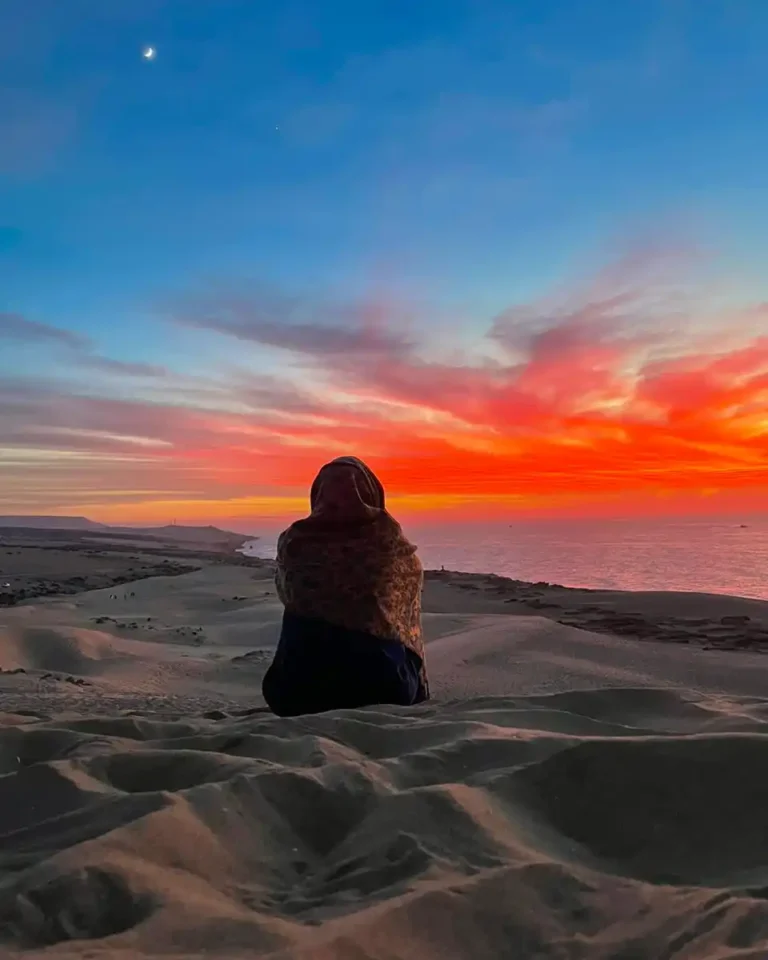
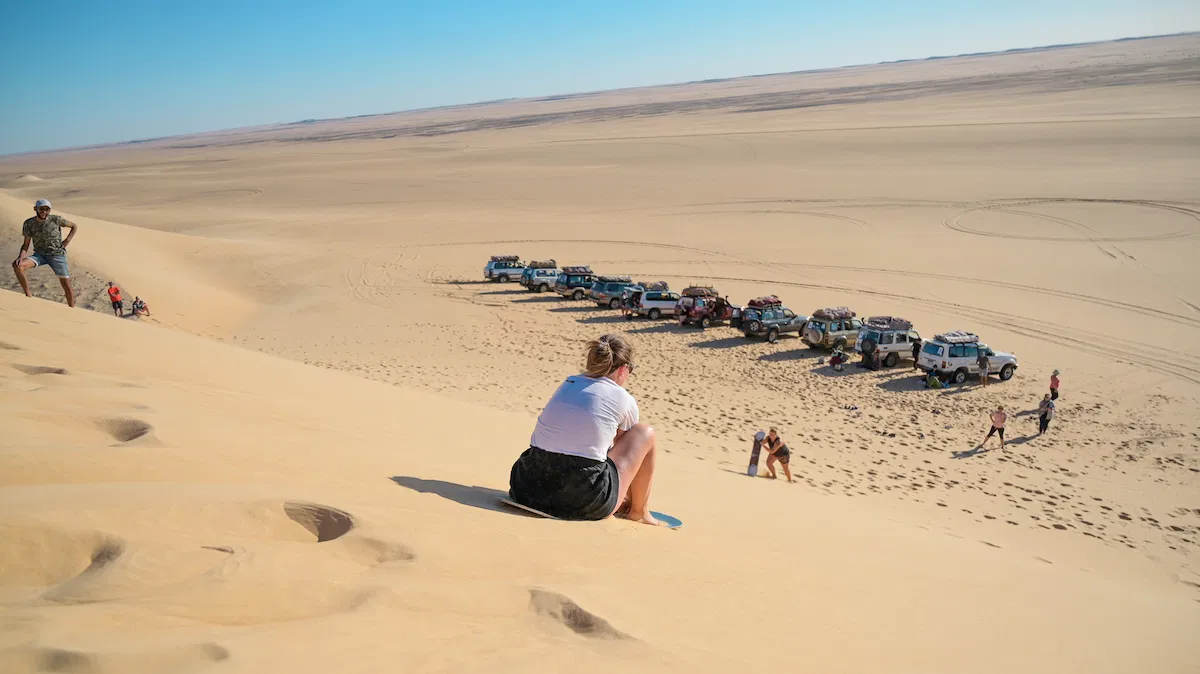
The Sahara Desert around Merzouga and Zagora is extraordinarily low-crime. Your primary concerns are dehydration, extreme temperature swings—45°C by day, 5°C at night in winter—and road safety on long drives through the Atlas Mountains. Choose a reputable desert tour operator with 4x4s, not old vans. Check reviews specifically mentioning driver experience. A rollover on a desert piste is far more dangerous than a pickpocket in the souk. Most camps are isolated, with no opportunity for crime even if someone wanted to.
Chefchaouen and the Rif Mountains have a very relaxed, low-hassle atmosphere. Vendors here rely on repeat visitors and word-of-mouth, so aggressive tactics are rare. The primary “risk” is being offered hashish, which is illegal despite local production. Politely decline and move on—there is no pressure. The Atlantic coast cities like Essaouira and Agadir have a beach-town vibe, generally safe, though you should watch bags on crowded beaches and avoid leaving valuables unattended. Tangier and the northern coast mix city hustle with coastal calm—be more vigilant in the medina, especially at night, but the Corniche and marina areas feel European and open.
Road safety between cities deserves mention. Moroccan drivers are aggressive by European standards. If you rent a car, expect tailgating, sudden lane changes, and livestock on highways. The mountain passes between Marrakech and the desert, especially Tizi n’Tichka, are spectacular but narrow, with hairpin turns and no guardrails. Hiring a driver through a private tour eliminates this stress entirely. For those planning a Sahara Desert tour, a professional driver who knows the roads is not a luxury—it is the difference between white-knuckle terror and relaxed sightseeing.
Why a Private Tour Enhances Safety & Experience
A private tour is not about coddling. It is about eliminating the variables that turn travel into stress. A licensed driver-guide acts as a cultural buffer. When a carpet seller invites you in, your guide explains the process, ensures fair pricing, and extracts you politely when you’re ready to leave. You bypass the “closed road” scam where a man tells you the street ahead is blocked and offers to guide you—for a fee. Your guide navigates.
Transport is direct and secure. No haggling with taxi drivers. No waiting at bus stations with luggage while vendors surround you. No overnight trains where your belongings are vulnerable. You travel in a private, air-conditioned vehicle with bottled water, planned rest stops, and flexible timing. If you want to spend an extra hour in Ait Benhaddou because the light is perfect, you can. If you feel unwell and need to skip a stop, you adjust without losing deposits.
Accommodations and restaurants are vetted and trusted. Your guide knows which riads have hot water that actually works, which restaurants serve fresh food versus reheated tagines for tour groups, and which carpet shops have fair prices without pressure. You gain access to experiences off the main tourist trail—a family-run argan co-operative where women explain the process, a Berber village where you share tea without a sales pitch, a quiet corner of the medina locals use for groceries. For those considering solo travel Morocco offers, this is the middle ground: independence without isolation, cultural immersion without confusion. Explore our Morocco private travel options to see how a tailored itinerary addresses both safety and depth.
Ready to Explore Morocco with Confidence?
Morocco in 2026 remains a safe destination where common-sense precautions and cultural awareness are your best tools. The perceived dangers are often just cultural friction and petty annoyances that can be managed with the right knowledge. Understanding the difference between economic hustle and genuine threat transforms your experience from defensive to curious.
For many travelers, the ultimate safety net is the expertise and support of a local team, allowing you to trade worry for wonder. When you have a knowledgeable guide who speaks Darija, knows which alleyways lead where, and has a contact for every situation, Morocco stops being a place to survive and becomes a place to savour.
We design private tours across Morocco that prioritize your comfort and curiosity in equal measure. Whether you’re drawn to the blue streets of Chefchaouen, the ancient medina of Fes, the buzz of Marrakech, or the silence of the Sahara Desert, we handle logistics so you can focus on the moments that matter. Let us craft a private, seamless journey tailored to your pace and interests. Explore our curated Morocco tours and start planning your confident adventure.
📩 Contact us: contact@mementomorocco.com | +49 1522 3075977