Chefchaouen Travel Guide: Beyond the Blue Walls
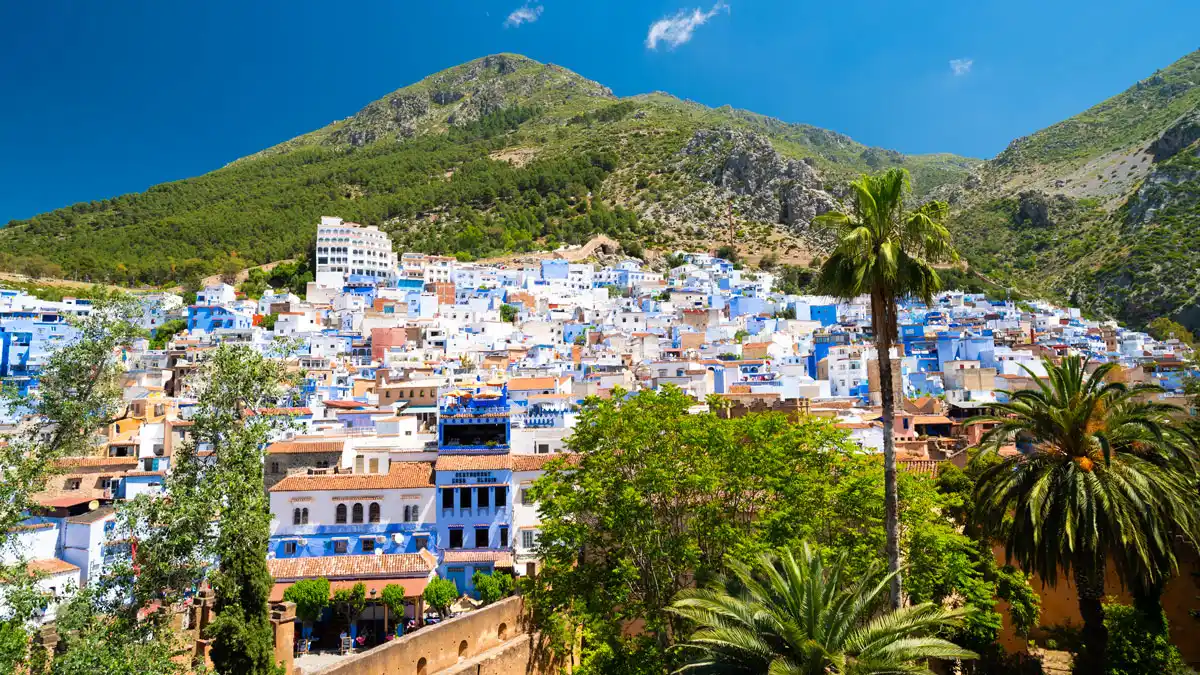
Imagine turning a corner into a cascade of cerulean and cobalt, where the air smells of mint tea and the sound of weaving looms echoes from open doorways. This is Chefchaouen, not just a photo backdrop but a living Rif Mountains town with roots that run deeper than its painted facades. This Chefchaouen travel guide unveils the secrets behind the blue hues, the rhythms of medina life before the tour buses arrive, and the trails that lead beyond the postcard shots. You’ll learn the best times to visit for photographers, how to plan a day trip from Fes, what to do beyond the medina, and insider tips to experience the city like a local who knows which alley catches the first light.
Why Chefchaouen is More Than Just a Photo Op
The blue city Morocco fame rests on isn’t an Instagram invention. The tradition dates to the 1930s when Jewish refugees fleeing Spanish persecution painted their homes in shades of tekhelel, a sacred blue symbolizing heaven and spiritual protection. Today, residents repaint the medina walls each spring, preserving a practice that blends Sephardic custom with Amazigh mountain identity. Walking the three main quarters: Andalusian, Jebli, and the historic Jewish Mellah, you navigate layers of North African history most visitors miss while chasing the perfect blue angle.
Start at the Kasbah Museum in the medina center (entry 20 MAD / ~2 USD), where you’ll find artifacts from Chefchaouen’s founding in 1471 and exhibits on local weaving techniques. The Grand Mosque nearby, built in the 15th century, anchors Plaza Uta el-Hammam, the social heart where locals gather after evening prayer. You cannot enter the mosque as a non-Muslim, but the surrounding square offers a window into daily rhythms: mint tea vendors, children playing football, and elderly men debating under the plane tree in the middle of the square.
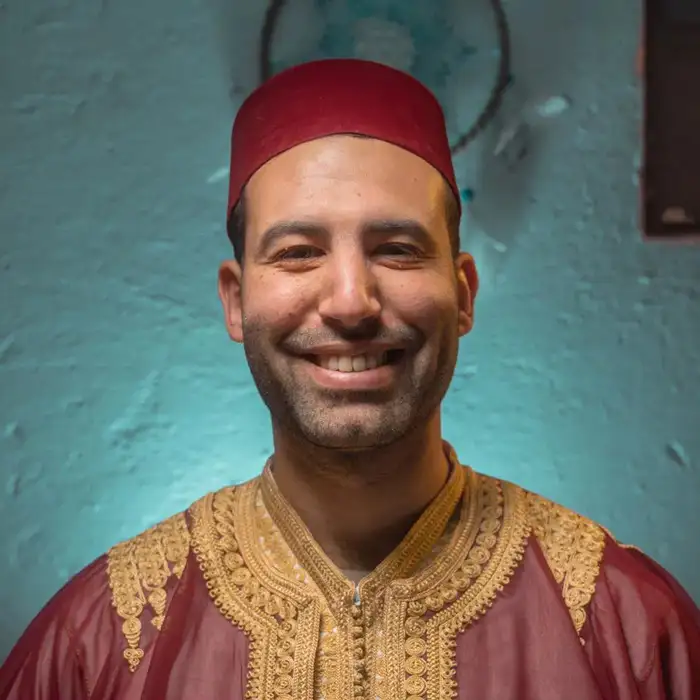
Respectful engagement transforms a visit from superficial to substantive. Greet shopkeepers with “Salam” before photographing their storefronts. Ask permission before capturing portraits, many residents appreciate the gesture and will pose proudly, while others prefer privacy. This small act of cultural courtesy opens doors to conversations about wool dyeing techniques or family recipes passed down through generations, like Bissara Soup. Understanding medina culture deepens your experience beyond surface aesthetics.
What Most Guides Get Wrong About the Blue Paint
Most articles claim the blue repels mosquitoes or keeps homes cool. Neither is true. The pigment—a mix of powdered lime and indigo dye—has no insect-repelling properties, and Chefchaouen’s mountain elevation (564 meters) keeps temperatures moderate year-round without paint assistance. The real reason is spiritual and communal: maintaining the blue is an act of collective identity, a visual statement that this town honors its layered past. When you see a resident touching up their doorway in early April, you’re witnessing cultural preservation, not pest control.
When to Visit: Decoding the Seasons in the Rif Mountains
The Chefchaouen best time to visit depends on what you prioritize. For photographers and those seeking uncrowded alleys, April through May and September through October deliver mild temperatures (15-25°C) and clear skies perfect for capturing the medina’s textures. Late September specifically—the third and fourth weeks—offers soft morning light between 6-8 AM when shadows elongate and the blue walls glow without harsh midday glare. Crowds thin after the European summer exodus, and accommodation prices drop by 30% compared to July peaks.
Avoid July and August unless you thrive in heat and bustle. Temperatures climb to 35°C by midday, and the narrow alleys trap warmth like an oven. Day-trippers from Tangier and Fes flood the medina between 10 AM and 4 PM, making photography nearly impossible without strangers in every frame. Budget travelers might appreciate cheaper guesthouse rates (200-300 MAD / ~20-30 USD per night versus 400-500 MAD / ~40-50 USD in spring), but you’ll sacrifice the serene experience that defines Chefchaouen’s appeal.
Winter months from December through February bring chilly nights (5°C) and occasional rain—pack a waterproof jacket and thermal layers. The Rif Mountains microclimate means weather shifts quickly; a sunny morning can turn overcast by noon. This moody atmosphere creates dramatic photography conditions: blue walls appear richer against gray skies, and fog rolling through the valleys adds mystery to dawn shots from the Spanish Mosque overlook. Fewer tourists mean locals have more time to chat, and the cozy cafes around Plaza Uta el-Hammam become gathering spots for travelers who appreciate Morocco’s seasonal patterns beyond peak season.
Micro-Seasonal Calendar for Photographers
- Late March-Early April: Spring blooms in surrounding hills, festival atmosphere as residents repaint walls.
- Mid-May: Ideal clarity before summer heat, hiking trails to Akchour fully accessible.
- Late September: Post-harvest calm, golden light angles perfect for architecture shots.
- December-January: Rare snow dusts mountain peaks visible from rooftop cafes, festive energy around New Year.
Getting There: Day Trips from Fes, Tangier, and Beyond
From Fes, the journey to Chefchaouen spans 200 kilometers and takes 3.5 to 4 hours by car through winding mountain roads via Ketama. CTM bus service runs daily (80 MAD / ~8 USD one-way), departing Fes at 7:30 AM and arriving around 11 AM—practical but inflexible if you want to photograph the medina at sunrise. Private transfers cost 600-800 MAD (~60-80 USD) and allow stops at panoramic viewpoints where the Rif Mountains unfold in ridges of green and gold.
From Tangier, the distance shrinks to 2 hours by car. Shared grand taxis depart from the bus station (50 MAD / ~5 USD per seat), but you’ll wait until the vehicle fills with six passengers. Private taxis charge 300-400 MAD (~30-40 USD) for direct service. This proximity makes Chefchaouen an easy addition to a northern Morocco loop, pairing well with Tangier’s coastal energy and Tetouan’s Spanish colonial architecture.
A Chefchaouen day trip from Fes is technically possible but rushed. You arrive near noon—peak crowd time—shoot for two hours, and leave by 3 PM to reach Fes before dark. You miss the magic hours when light transforms the blue from flat to luminous. Photographers and those seeking authentic immersion should overnight in the medina. Budget 600-1,000 MAD (~60-100 USD) for mid-range riads with rooftop terraces, where you can watch the call to prayer echo across the valley at sunset. Plan a seamless day trip with private transport if time is limited, but extend to two days if your schedule allows.
Road Conditions and Travel Tips
The route from Fes cuts through the Rif Mountains via Ketama, known for scenic switchbacks and occasional fog. The road is paved but narrow in sections—drive defensively, especially if you rent a car. Ketama has a reputation for cannabis cultivation; politely decline any unsolicited offers from roadside vendors. Most travelers pass through without incident, but avoid stopping for prolonged periods outside official rest areas.
Top Experiences Beyond the Blue Medina
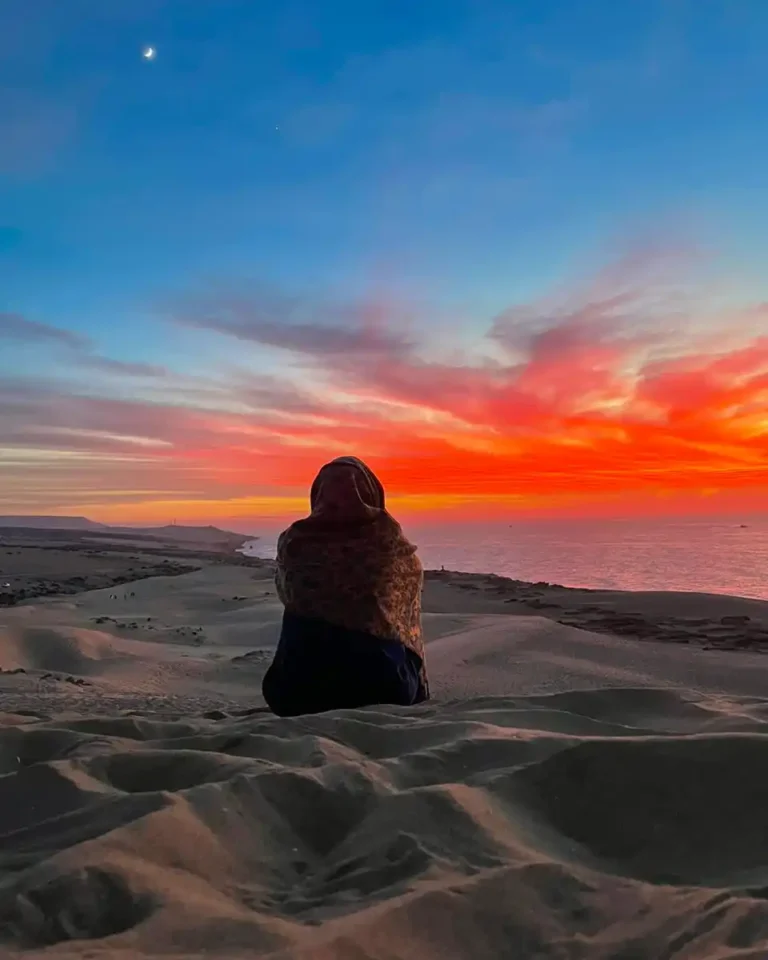
The Spanish Mosque sits on a hillside 30 minutes’ walk from the medina edge, accessible via a dirt path that begins near Hotel Atlas. Built in the 1920s but never completed, the structure offers panoramic views of Chefchaouen’s rooftops cascading down the valley. Sunset draws a small crowd of travelers and local teenagers, but if you arrive an hour before dusk, you’ll have the terrace to yourself. Bring water and wear closed-toe shoes; the trail is rocky and uneven in places.
Akchour Waterfalls lie 45 minutes southeast by car, a series of cascades hidden in the Rif Mountains where you can hike to God’s Bridge, a natural rock arch spanning the river. Shared taxis from Chefchaouen cost 30 MAD (~3 USD) per person; private drivers charge 300-400 MAD (~30-40 USD) round trip. At the trailhead, local guides offer services for 200 MAD (~20 USD)—worth hiring if you’re unfamiliar with mountain trails or want to explore the upper falls beyond the main pool. The hike to the first waterfall takes 45 minutes; pack swimwear if you visit in summer, as the pools are cold but swimmable.
Plaza Uta el-Hammam anchors medina life, but locals eat at spots tourists overlook. Try Bissara soup, a thick fava bean porridge drizzled with olive oil and cumin, at Restaurant Tissemlal (15 MAD / ~1.5 USD per bowl, served with fresh bread, and local olive oil). For lunch, seek out goat cheese from nearby farms, sold at small stalls in the Jebli quarter. The cheese pairs with honey and mint tea for a simple but authentic meal. Evenings, wander to Ras El Maa spring at the medina’s eastern edge, where locals wash clothes and children play in the stream, a scene unchanged for decades.
Craft workshops dot the Andalusian quarter, where artisans weave wool rugs on wooden looms passed down through families. Many welcome visitors to watch; some offer short lessons (50-100 MAD / ~5-10 USD for a half-hour session). Pottery painting studios near Bab El Ain gate sell unglazed ceramics you can paint and have fired: a tactile souvenir that supports local crafts. More things to do in Chefchaouen include exploring the Kasbah gardens and hiking lesser-known trails above the medina.
Photographer’s Guide to the Blue City
Blue hour, the 20 minutes after sunset when the sky shifts from orange to deep indigo, is when Chefchaouen’s walls reveal their truest hues. The medina lights flicker on, casting warm glows against cool blue, and the absence of harsh shadows creates even tones ideal for architectural shots. Overcast days work equally well; diffused light eliminates the contrast problems that plague midday photography in Morocco’s intense sun. Rif mountains Morocco weather patterns bring morning mist in autumn, softening edges and adding atmospheric depth to wide-angle shots.
Hidden angles separate average images from compelling ones. The staircase behind Café Clock catches early light around 7 AM, empty of tourists who haven’t yet left their riads. Rooftop cafes along Rue Targui; ask permission before shooting—offer elevated perspectives of the medina’s layered terraces. For portraits, prime lenses (50mm or 85mm) compress the background and isolate subjects against blue walls. Use ISO 400-800 in shadowed alleys to maintain shutter speed without introducing excessive grain.
Ethical photography in Chefchaouen means respecting residents who live in this medina, not performing in it. Before photographing someone, establish eye contact and gesture toward your camera with a raised eyebrow, a universal question. If they nod, smile, or pose, proceed. If they shake their head or turn away, thank them and move on. Offer to share photos via WhatsApp or email; many locals appreciate seeing how their city is portrayed abroad. Buying a small craft: woven bracelets cost 20-30 MAD (~2-3 USD) from a vendor before photographing their stall builds goodwill and supports the economy that sustains the medina’s character.
Capture Morocco’s landscapes beyond the blue walls by hiking to viewpoints where the Rif Mountains frame the town. The trail to Jebel el-Kelaa, starting near the Spanish Mosque, reaches a summit in 90 minutes and provides context for Chefchaouen’s geography—a blue jewel nestled in green folds of stone.
Technical Settings for the Blue Medina
- Early morning (6-8 AM): ISO 200-400, f/5.6-8, shutter 1/125-1/250 for sharp handheld shots.
- Blue hour: ISO 800-1600, f/2.8-4, shutter 1/30-1/60; use walls or ledges to stabilize camera.
- Overcast days: ISO 400, f/8-11 for depth, experiment with slower shutter (1/60) to capture motion blur of passing locals.
- White balance: Set to 5500K or “Cloudy” to enhance blue tones without oversaturation.
Practical Tips for First-Time Visitors
ATMs cluster around Plaza Uta el-Hammam—withdraw cash upon arrival, as many medina vendors and small restaurants don’t accept cards. Expect to pay 200-400 MAD (~20-40 USD) daily for meals, entry fees, and minor purchases. Keep bills in denominations of 20 and 50 MAD for ease; breaking a 200 MAD note at a street stall selling tea for 5 MAD frustrates both parties.
Arabic and Tarifit (a local Amazigh dialect) dominate street conversations, but many shopkeepers and guesthouse owners speak functional French or Spanish due to Chefchaouen’s proximity to northern Morocco’s colonial histories. English is less common outside tourist-facing businesses. Learn basic phrases: “Shukran” (thank you), “B’slama” (goodbye), “Shhal?” (how much?). Locals appreciate the effort, and it shifts interactions from transactional to personal.
Chefchaouen is generally safe, violent crime is rare, and most visitors encounter only persistent but harmless sales pitches in the medina. Watch for unofficial guides who approach near Plaza Uta el-Hammam offering tours for 50-100 MAD (~5-10 USD). Official guides wear badges and charge 150-200 MAD (~15-20 USD) for two hours, worth hiring if you want historical context beyond what this guide provides. If you decline, a firm but polite “La, shukran” (no, thank you) suffices. Don’t engage in prolonged discussions, as this signals potential interest.
Pack layers for mountain weather, mornings and evenings cool significantly, even in summer. Comfortable walking shoes are non-negotiable; the medina’s cobblestones are uneven and slippery after rain. Modest clothing (covered shoulders and knees) respects local norms, especially when visiting mosques or rural areas. Women may encounter occasional stares but rarely harassment; traveling in pairs or joining group activities reduces unwanted attention. Travel advice for Morocco covers visa requirements, health precautions, and cultural customs applicable across the country, including Chefchaouen.
Ready to Explore Northern Morocco Beyond Chefchaouen?
Chefchaouen offers profound cultural and visual rewards when you look beyond the blue walls: hiking Akchour’s trails, tasting Bissara in a local café, or watching the medina repaint itself each spring. Timing your visit for soft light and thin crowds transforms the experience from checklist tourism to genuine immersion. Pairing it with Fes’s ancient medina or Tangier’s coastal energy creates a great northern itinerary that captures Morocco’s diversity within a compact region.
If this guide inspired you to delve deeper, consider how a private tour offers tailored access to great places: early-morning medina walks before vendors set up, lunch in a family home, or detours to Rif Mountains villages where foreigners are novelties, not commodities. Northern Morocco rewards travelers who move beyond the standard routes, and Chefchaouen is the beginning, not the destination.
We design private tours across northern Morocco that go where guidebooks cannot. Whether you want to photograph Chefchaouen at dawn, explore Fes’s tanneries with a local craftsman, or trace Tangier’s literary history through its cafes, we handle logistics so you focus on the experience. Our itineraries reflect years of on-ground knowledge in Fes, Tangier, and Casablanca—cities where we’ve built relationships with artisans, drivers, and guesthouse owners who share our commitment to authentic travel. Contact us to design your perfect northern Morocco journey.
Watch Our Latest Vlog In Chefchaouen
📩 Contact us: contact@mementomorocco.com | +49 1522 3075977