Best Time to Visit Morocco: A Strategic Month-by-Month Guide
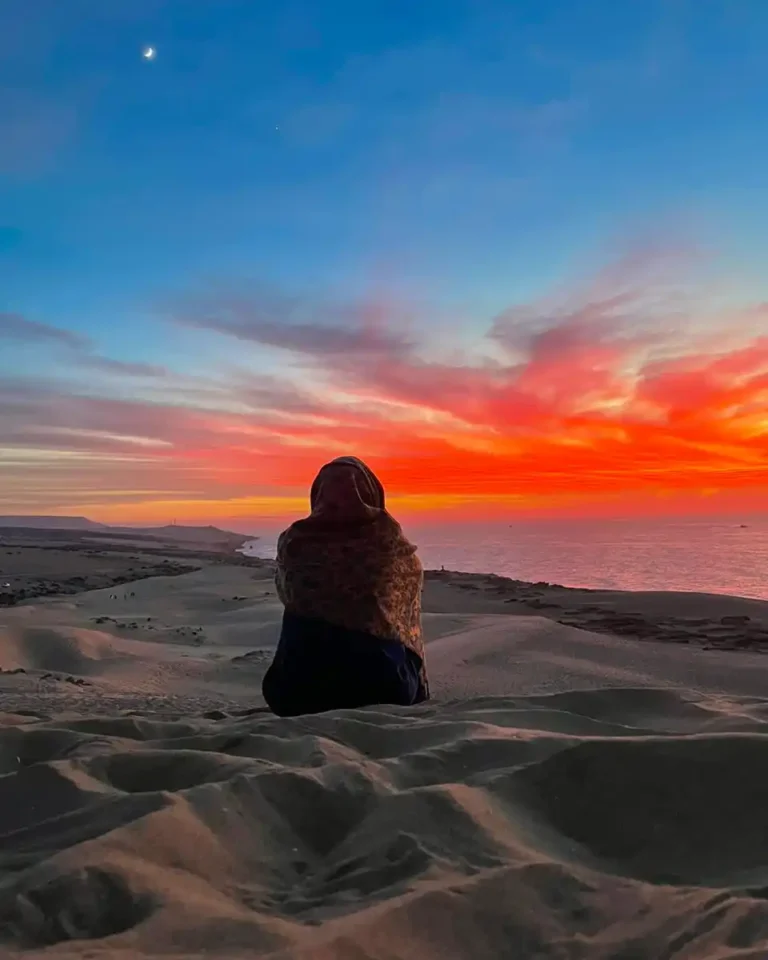
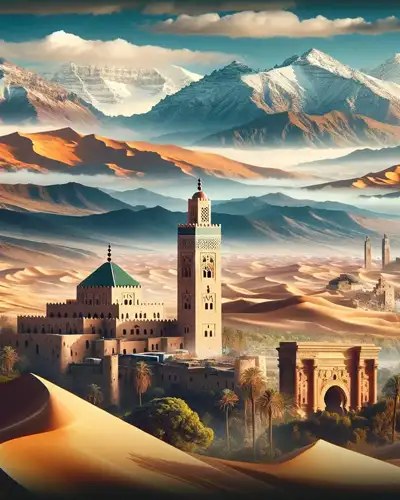
In January, you could be skiing in the Atlas Mountains in the morning and watching the sunset over the Sahara in a heavy wool djellaba by evening. By July, that same desert camp requires air conditioning, while Essaouira’s coast fills with windsurfers escaping Marrakech’s 42°C heat. Morocco’s climatic extremes mean the best time to visit Morocco isn’t a single month—it’s the month that matches your exact itinerary. This guide breaks down weather, crowds, prices, and cultural events by region and month, giving you the specific intelligence to book your private tour with zero regrets. You’ll know exactly when to avoid the tourist crush in Marrakech, when the High Atlas passes open for trekking, and how Ramadan transforms daily rhythms across the country.
Debunking the ‘Best Month’ Myth: It Depends on Your Morocco
Most travel sites crown April or October as Morocco’s ideal months. That advice collapses the moment you compare itineraries. A photographer chasing snow-capped Atlas peaks needs January. A family wanting beach time in Agadir benefits from June. A budget traveler hunting deals finds February’s off-peak pricing irresistible.
Morocco has four distinct climatic zones that operate on separate seasonal calendars. The Mediterranean North (Tangier, Chefchaouen, Tetouan) stays mild year-round with winter rains. The Atlantic Coast from Essaouira to Agadir enjoys consistent temperatures but summer fog. The mountainous interior—the High and Middle Atlas ranges—sees snow from December through March. The Saharan South (Merzouga, Zagora, the Draa Valley) endures scorching summers but offers perfect winter days between 20-28°C.
Temperature swings of 20°C between day and night are standard in Merzouga’s Erg Chebbi dunes. Peak season (March through May, September through October) drives rates up 30-50% for premium riads and private tours compared to the shoulder months of November or February. Your priorities—weather avoidance, cultural immersion, budget, or specific activities like desert camping or mountain trekking—define your ideal window. The concept of a universal best month to travel to Morocco is a myth designed for travelers with identical plans.
Best Time to Visit Morocco Month-by-Month: Weather, Crowds & Key Events
January & February: Winter Clarity and Desert Comfort
January through February is ski season at Oukaïmeden in the High Atlas, just 75 km from Marrakech. Desert days hover between 15-20°C, ideal for exploring Aït Benhaddou or hiking the Todra Gorge, but nights drop near freezing. Bring layers. Crowds thin across all regions. Flight prices from Europe fall 25-40% compared to spring peaks.
Marrakech and Fes see occasional rain, usually brief showers rather than full days. The souks are quieter. Negotiating in the Fes tanneries or the Marrakech spice markets becomes easier when vendors aren’t fielding ten simultaneous offers. This is when you get the most attention from craftsmen and the clearest roads through the Dades Valley.
Consider winter if you want the Sahara without the crowds and don’t mind wearing a heavy djellaba after sunset. If you visit the desert in winter, book a camp with heating, not all provide it, despite marketing claims.
March & April: The Shoulder Season Morocco Travelers Miss
Morocco in April delivers 15-25°C across the interior, perfect for trekking the Toubkal or wandering Chefchaouen’s blue alleys without sweating through your shirt. Wildflowers carpet the Rif Mountains. The almond blossoms in the Ameln Valley near Tafraoute peak in late February through early March, creating postcard scenes few international travelers witness.
European Easter holidays (late March to mid-April) spike crowds and prices in Marrakech and Fes. The Jemaa el-Fnaa square becomes shoulder-to-shoulder by sunset. Book riads and private guides at least six weeks ahead during this window. Prices return to normal by late April, making it a sweet spot before the heat arrives.
April also sees sporadic rain in the north—Chefchaouen can receive 60mm, compared to Marrakech’s 35mm. The Atlantic coast from Casablanca to Rabat experiences pleasant daytime temperatures but cool evenings. Essaouira remains breezy, requiring a jacket after dark even as Marrakech warms.
May & June: High Season Begins, Regional Nuance Matters
May is the last month of spring comfort before summer heat locks in. Marrakech reaches 30°C by mid-May, manageable but climbing. The High Atlas passes fully open for trekking after the snow melts. The Rif Mountains near Akchour offer canyon hikes with flowing waterfalls.
June brings “June Gloom” to the northern Atlantic coast, persistent morning fog that burns off by afternoon. Essaouira and Asilah can feel grey and cool despite it being summer elsewhere. Agadir to the south stays sunnier. The Mediterranean coast (Al Hoceima, Tetouan) remains warm and clear, drawing Moroccan families for early beach holidays.
Ramadan shifts annually based on the lunar calendar. When it falls in May or June, daytime restaurant closures affect travelers in smaller towns more than cities. Private tours adjust meal stops and timing without disruption. The post-Iftar energy in Fes el-Bali, the call to prayer echoing through the medina, followed by communal feasts—is worth experiencing if you travel with cultural sensitivity and realistic expectations.
July & August: Coastal Refuge from Interior Heat
July and August push Marrakech, Fes, and Meknes beyond 40°C. Walking the Fes tanneries at midday in August is a test of endurance, not enjoyment. The Sahara becomes genuinely dangerous, because daytime temperatures exceed 45°C, and most luxury desert camps close entirely or operate at minimal capacity.
The Atlantic coast fills with European and Moroccan vacationers. Essaouira’s constant wind makes it 10°C cooler than Marrakech, attracting surfers and families. Agadir’s beaches pack out. Tangier and the Mediterranean towns become summer hubs. Ocean water temperatures peak around 22°C—refreshing but not tropical.
If you must travel in summer, plan a coastal-focused itinerary. Spend mornings in Marrakech or Fes, then escape to Essaouira or the Rif Mountains by afternoon. Private drivers with air-conditioned vehicles become non-negotiable, not a luxury.
September & October: The Peak of Peak Season
September through October is Morocco’s busiest travel window. Temperatures drop to 25-30°C in the imperial cities. The Sahara becomes accessible again, with daytime heat around 28-32°C and cool nights perfect for stargazing. The grape harvest in the Meknes region and olive harvests across the Rif create market abundance.
October sees the highest accommodation prices of the year. Premium riads in Marrakech’s Medina can charge 50% more than February rates. European half-term holidays (late October) compound the crowds. Book desert camps and Chefchaouen guesthouses at least eight weeks ahead. This is also the time when Chefchaouen’s blue medina becomes packed by mid-morning, arrive at sunrise for empty streets.
The light in October is exceptional for photography: soft, golden, less hazy than summer. This is the month that travel photographers circle on their calendars.
November & December: Off-Peak Value and Winter Prep
November is the most underrated month. Crowds evaporate. Prices drop 20-30% for flights and tours. Marrakech sits at a comfortable 20-25°C. The Sahara remains warm by day, cold by night. Rain begins in the north, Chefchaouen can see up to 100mm in November.
December brings the first snow to the High Atlas peaks, creating dramatic backdrops for desert photography. Christmas week sees a minor spike in European travelers, but nothing like the spring crush. The souks in Fes and Marrakech decorate for New Year’s celebrations, blending Moroccan and Western traditions in the tourist districts.
Morocco in winter means Morocco at its most authentic. Fewer tourists force guides, drivers, and guesthouse owners to engage more personally. You’re not one of twenty groups that day, you’re the focus.
Navigating Morocco’s Cultural Calendar Beyond the Weather
Ramadan: A Different, Rewarding Morocco
Ramadan follows the Islamic lunar calendar, shifting 10-11 days earlier each year. Business hours shorten. Many restaurants close during daylight, though tourist-focused cafés in Marrakech’s Guéliz district and hotel restaurants remain open. Public transport runs less frequently. The Sahara desert camps operate with reduced staff and quieter atmospheres, some travelers prefer this intimacy.
The hour before Iftar (sunset meal breaking the fast) sees the Fes medina fall almost silent. Then the call to prayer sounds, and the entire city erupts into communal celebration – families gather on rooftops, street vendors set up harira soup stalls, the energy is electric. Witnessing this with a local guide who can navigate the cultural nuances and arrange respectful participation is one of Morocco’s most profound experiences.
Private tours handle Ramadan logistics perfectly: meal timing adjusts, guides eat privately, itineraries shift to favor morning and evening activities over midday heat. Follow advice for travelling to Morocco during this month: dress modestly, don’t eat or drink visibly in public during fasting hours, and approach the experience with cultural humility.
Eid al-Fitr & Eid al-Adha: National Pause Buttons
Eid al-Fitr (marking the end of Ramadan) and Eid al-Adha (the Feast of Sacrifice, roughly 70 days later) are 3-5 day national holidays. Domestic travel peaks. Families return to ancestral villages. Many shops, museums, and even some restaurants close entirely. Inter-city buses and trains book solid weeks in advance.
If your dates overlap with Eid, book all transport and accommodations at least two months ahead. Private drivers and guides often take family time, confirm availability early. The upside: cities empty of locals, making monuments and medinas eerily quiet. The downside: reduced services and limited dining options.
Regional Festivals Worth Planning Around
The Imilchil Marriage Festival in September (exact dates vary) is a three-day Amazigh cultural event in the High Atlas, showcasing traditional music, dance, and ceremonial matchmaking. Accessing it requires a 4×4, a local Amazigh guide, and logistical planning, most tourists never hear about it. The Rose Festival in Kelaat M’Gouna each May celebrates the Dades Valley’s rose harvest with parades and market stalls selling rose water and oils.
These festivals offer cultural depth but require advance coordination. They’re not drop-in events, roads are poor, accommodations sparse, and cultural protocols strict. This is where a local tour operator’s knowledge becomes indispensable.
Regional Spotlight: Where to Go and When
Sahara Desert (Merzouga, Zagora, Draa Valley)
Best: October through April. Daytime temperatures range from 20-28°C. Nights drop to 5-10°C in winter, requiring heated camps, confirm heating before booking. The dunes at Erg Chebbi near Merzouga are most photogenic at sunrise and sunset year-round, but summer’s harsh midday light washes out detail.
Avoid: July through August. Daytime heat exceeds 45°C. Most luxury camps close. Even budget camps operate at reduced capacity. Sandstorms are more frequent. The experience shifts from “challenging adventure” to “genuinely unsafe” for most travelers.
Atlantic Coast (Essaouira, Agadir, Sidi Ifni)
Best: May through October for sun and wind sports. Essaouira’s wind makes it a kite-surfing hub from June through August. Agadir and Sidi Ifni to the south offer calmer beaches. Note that Atlantic water temperatures peak around 22°C—refreshing, not bathing-warm.
Avoid expectations of guaranteed sun in June. Morning fog (“June Gloom”) affects the northern coast from Casablanca to Essaouira. It burns off by afternoon, but mornings can feel grey and damp. The southern coast from Agadir down stays clearer.
Imperial Cities (Marrakech, Fes, Meknes, Rabat)
Best: April through May, September through October. Temperatures sit at 20-28°C—ideal for walking the medinas and navigating souks. December through February is also pleasant (15-22°C) with fewer crowds, though occasional rain showers disrupt outdoor plans.
Avoid: July and August. Marrakech and Fes become oppressive above 40°C. The tanneries in Fes, already pungent, become unbearable in extreme heat. Riads offer rooftop terraces and pools for relief, but daytime sightseeing suffers. This is when locals retreat indoors from 1 PM to 5 PM—follow their lead.
High Atlas Mountains (Toubkal, Imlil, Dades Valley)
Best for trekking: Late May through late September for high-altitude passes. Snow closes routes above 3,000 meters from December through April. Spring (April through June) is ideal for lower-valley hikes near Imlil, with wildflowers and flowing rivers that dry by August.
Winter (December through March) attracts skiers to Oukaïmeden and photographers chasing snow-dusted peaks. The road through Tizi n’Tichka pass to the desert can see fleeting snow showers in March—a detail your private driver will be prepared for. The pass closes only in extreme conditions, but delays happen.
Northern Rif Mountains (Chefchaouen, Akchour, Tetouan)
Best: May through November. Spring and early summer bring lush green valleys and flowing waterfalls at Akchour—they’re nearly dry by September. Chefchaouen’s blue medina looks stunning in any season, but winter’s grey skies create moody photography that pops against the blue walls.
Avoid: December through February for outdoor activities. Winters are cold (5-15°C) and wet. Chefchaouen receives 100-150mm of rain monthly from November through February. Roads to Akchour become muddy and slippery. The town itself remains charming for wandering, but hiking plans fail.
Tailoring Your Trip: Advice by Traveler Type
Families with Young Children
Target April, May, or October. Temperatures are manageable (20-28°C), crowds are moderate outside Easter week, and logistics are straightforward. Avoid peak summer heat and Ramadan for simpler meal planning and predictable opening hours. Beaches in Agadir work well in May and June before the European rush.
Hikers and Trekkers
Prime season for Toubkal and high Atlas routes: late May through late September when snow clears from passes above 3,000 meters. For lower valleys (Imlil, Paradise Valley near Agadir), April through June offers wildflowers and full waterfalls. Avoid July and August in the desert or low-altitude regions—heat makes multi-day treks dangerous.
Budget Travelers
November (post-peak shoulder season) and February (pre-spring) offer the best value. Flight deals from Europe appear frequently. Riad and tour prices drop 20-30%. Trade-off: desert nights are cold (5-10°C), requiring heated camps. November sees rain in the north. Pack accordingly and embrace the off-peak advantages: emptier medinas, more personal service, easier negotiations in souks.
Photographers
April and October deliver soft, golden light without summer haze. Winter (December through February) provides dramatic Atlas snowscapes and the best contrast for desert dune photography—crisp air, clear skies, long shadows. Summer offers harsh, contrasty light that works for certain artistic visions but washes out detail in midday shots. Sunrise and sunset are non-negotiable year-round.
Ready to Turn the Perfect Season into Your Perfect Morocco Itinerary?
The best time to visit Morocco hinges on your chosen experiences—whether that’s stargazing from a Sahara camp in February, trekking Toubkal in June, or photographing Chefchaouen’s blue medina in moody November rain. Balancing weather, cultural events, and crowds is the strategic work most travelers skip, then regret. The shoulder seasons (April-May, September-November) offer the sweet spot for most itineraries, but regional nuances matter more than broad seasonal advice.
With your timing locked in, the next step is crafting a journey that moves seamlessly between these diverse landscapes and cities—navigating the Tizi n’Tichka pass in March, timing Fes medina visits around Ramadan’s Iftar energy, or coordinating desert camps with optimal temperatures. This is where the expertise of a local tour operator becomes indispensable—translating seasonal advantages into a flawlessly paced private tour.
We design private Morocco tours that match your season, pace, and priorities. Our routes through Marrakech, Fes, Chefchaouen, and the desert adapt to the month you’re traveling, maximizing what each region offers when you’re there. You get the timing intelligence, we handle the logistics. Contact us to design a private Morocco tour tailored to your ideal season and travel style.
📩 Contact us: contact@mementomorocco.com | +49 1522 3075977