How to Plan a Sahara Desert Tour from Marrakech
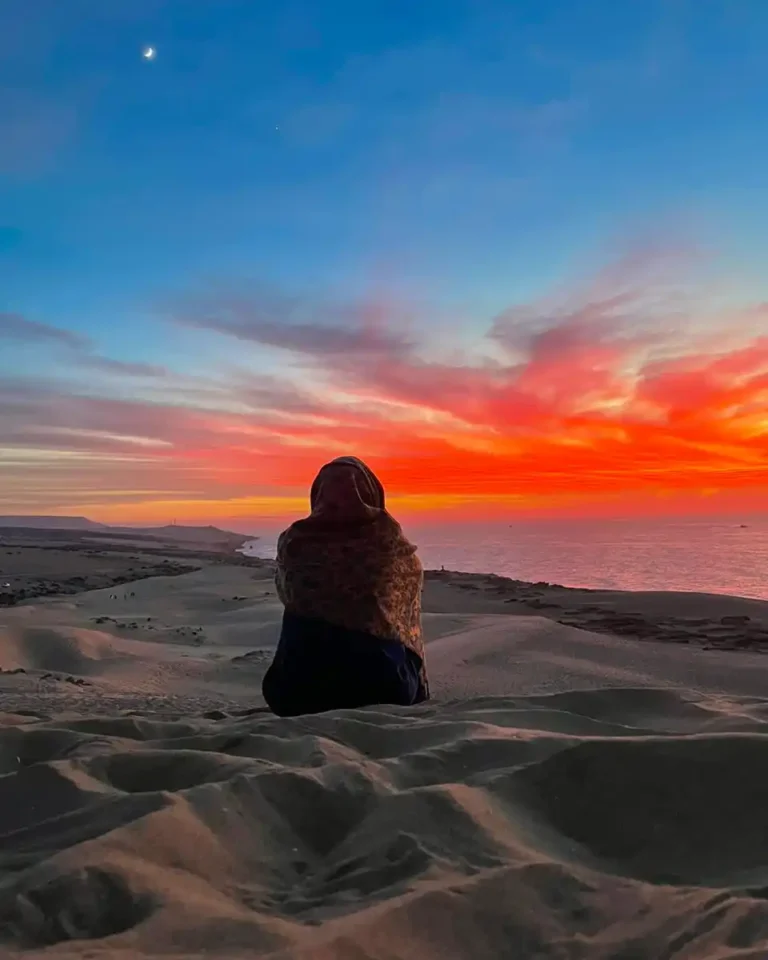
Sunrise on Erg Chebbi feels almost silent, except for soft wind across the dune ridges and the muffled steps you hear in cold morning sand. Yet a Sahara desert tour from Marrakech only feels easy on Instagram; on the ground, it takes smart timing, the right route, and honest expectations. This guide helps you choose Merzouga or a shorter alternative, compare 3-, 4-, and 5-day plans, pick the right camp, and budget the trip clearly.
Is a Sahara desert tour from Marrakech worth it for a 7-10 day trip?
If you have 7 to 10 days in Morocco, a Sahara desert tour from Marrakech makes sense only if you give it real space. The full drive to Merzouga runs about 560 km one way, and most drivers split it over two days for comfort. If you force it faster, the desert can feel like transport instead of the strongest contrast in your trip.
Merzouga works because Erg Chebbi delivers the high dunes most first-time visitors picture, with sand ridges that can rise near 150 meters. Zagora sits closer, around 360 km from Marrakech, and the road often takes about seven hours, but the landscape feels flatter and rockier. Agafay lies 45 to 60 minutes outside Marrakech, yet it is a stone plateau for dinner and one night, not the Sahara.
For most couples, Merzouga feels right when the desert section gets at least three days, while four days usually feels far better. Skip Merzouga if your week already squeezes in Fes el-Bali, the Mellah district in Marrakech, and a coast stop. Private pacing matters here because café breaks, photo stops, and dune arrival time shape the experience more than many people expect.
Best Marrakech to Sahara desert tour: 3, 4, or 5 days?
A classic Marrakech to Sahara itinerary in three days means one night in Dades Valley, one night in Merzouga, and a long final drive. Day one usually crosses Tizi n’Tichka Pass at 2,260 m, visits the UNESCO ksar of Ait Ben Haddou, and reaches Boumalne Dades. If that pace sounds right, this 3-day Marrakech to Sahara desert tour shows the format many first-time visitors choose.
Four days gives you the same backbone with less strain. You can linger in Ait Ben Haddou, sleep deeper in Dades Valley, or add a second night near the Erg Chebbi dunes. For many couples, that extra day matters more than a pricier vehicle because it cuts the feeling of being pushed from stop to stop.
Five days opens the south properly, especially if you want Skoura’s palm groves, the Draa Valley, or a one-way finish to Fes. It also gives you room to arrive in Merzouga before sunset, sleep better, and leave without a punishing rush the next morning. If you travel in late April or May, Kelaat M’Gouna adds rose fields; in October, book earlier because stronger camps fill fast.
- 3 days / 2 nights: Best for tight schedules, but expect one very long return day from Merzouga to Marrakech.
- 4 days / 3 nights: The sweet spot for many couples, with better pacing through Ait Ben Haddou, Dades Valley, and the dunes.
- 5 days / 4 nights: Best if you want deeper southern stops or a logical finish toward Fes instead of backtracking.
What the Marrakech to Merzouga road is really like
The Marrakech to Merzouga route usually follows the N9 over Tizi n’Tichka Pass, then runs through Ouarzazate, Skoura, Boumalne Dades, Tinghir, Erfoud, and Rissani. The road stays paved, but the High Atlas section twists enough that maps often understate the effort. Leave around 7:00 or 8:00 from Marrakech, or your Ait Ben Haddou stop will feel rushed by early afternoon.
Winter changes the first day more than summer does. In December, January, and February, snow or fog near the pass can slow traffic and shorten your photo stops. In July and August, heat wears you down later, especially after hours in the car and a late arrival near the dunes.
What Most Guides Get Wrong About the Drive
Most travel articles play this route two wrong ways: either too dramatic or too soft. In normal conditions, the road is not a white-knuckle drive; the real problem is fatigue, fixed stops, and hours lost to poor timing. That is why a private format often feels better long before you reach Merzouga.
- Atlas switchbacks: Trucks, curves, and weather over Tizi n’Tichka slow the first day more than the map suggests.
- Fixed lunch stops: Shared tours often stop where commissions work for the operator, not where the food or timing works best for you.
- Late departures: Leaving after 9:00 often cuts your Ait Ben Haddou visit short and pushes arrival toward dusk.
Overnight desert camp Morocco: what your Merzouga camel trek is really like
An overnight desert camp Morocco stay usually starts with a Merzouga camel trek of about 45 to 90 minutes across the Erg Chebbi dunes. If you prefer comfort or have back issues, ask for a 4×4 transfer instead. That choice does not weaken the experience; it simply gets you to camp with less strain.
Camp quality varies far more than booking photos suggest. Standard camps may have simpler bedding and shared or basic private bathrooms, while higher-end camps usually offer better linens and steadier service. Even then, sand gets into everything, generator hours stay limited, and wind can turn a quiet night into a noisy one.
Temperature shifts catch people off guard. In December and January, night temperatures can sit near 0 to 5 C, while June through August afternoons often push past 40 C. Many camps come from Amazigh families around Merzouga, and evening music may run after dinner, so ask for a quieter setup if needed.
- Closed shoes: Sand cools fast after sunset, and open sandals make dune walks harder.
- Light scarf or cheche: Wind often picks up around sunset and sunrise.
- Power bank: Tent sockets may be limited when generator hours end.
- Small overnight bag: Your main suitcase often stays in the vehicle or at a local base before camp.
Morocco desert private tour cost: what you actually pay
A Morocco desert private tour costs more because it changes the route control, not just the hotel label. Shared 3-day Marrakech to Merzouga tours often start around 900 to 1,700 MAD per person, or about 90 to 170 USD. Private 3-day trips for two usually land around 7,000 to 11,000 MAD total, or about 700 to 1,100 USD.
If you want stronger riads and a better camp, many premium private trips for two run about 11,000 to 18,000 MAD, or 1,100 to 1,800 USD. Lunches often sit around 100 to 180 MAD per person, or 10 to 18 USD, and many quotes leave them out. Drinks, local guides at Ait Ben Haddou, and quad or buggy rides also usually cost extra.
The cheapest listing rarely gives the best value on this route. Low headline prices often hide crowded vehicles, weaker hotels, or commission stops where you lose time and overpay for lunch. A luxury camp upgrade alone can shift the total by about 1,500 to 3,500 MAD per couple, or 150 to 350 USD.
- Vehicle and format: A private SUV for two costs more than a shared minibus because you control pickups, breaks, and stop length.
- Camp standard: Better bedding, private bathrooms, and fewer tents usually raise the total more than people expect.
- Season and route: October, year-end holidays, and one-way finishes toward Fes often price higher than quieter dates.
Best months for the desert and the planning mistakes first-timers make
The best time for Merzouga usually falls between mid-March and late April, then again from mid-September to early November. Those windows give you warm days, cooler evenings, and better chances to enjoy sunset and breakfast outside. October feels especially comfortable, but the stronger camps and private drivers often book earlier than first-timers expect.
May still works if you handle heat well, but the southeast already feels hotter than Marrakech by then. July and August often push past 40 C in the afternoon, which makes the transfer days much harder than the dune photos suggest. December through February can be excellent for clear skies and lighter crowds, but nights feel genuinely cold and Atlas weather can delay you.
Most first-time mistakes have nothing to do with camel riding. People squeeze Merzouga into too few Morocco days, pack for photos instead of temperature swings, and assume every luxury camp stands far from others. Before you book, decide whether you want to return to Marrakech or continue north, because that one choice changes the whole route.
- Too few days: If you only have a week and want several regions, Zagora or Agafay may fit better than Merzouga.
- Wrong packing: Layers, closed shoes, and lip balm matter more than desert photo outfits once the sun drops.
- Wrong camp assumption: Luxury in the dunes can still mean sand, wind, nearby camps, and partial power limits.
So, which Sahara route from Marrakech fits your trip best?
A Merzouga route from Marrakech pays off when you treat it as a real multi-day plan, not a quick add-on between city stays. For most first-time visitors, the key choice is days, comfort level, and whether you want private pace or a shared schedule.
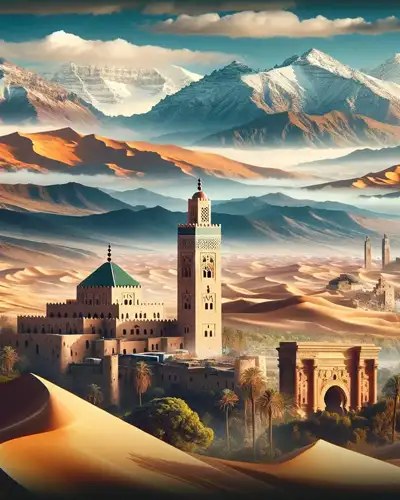
Once those pieces line up, the route feels coherent: Atlas passes, kasbah country, palm groves, and then the Erg Chebbi dunes. That is why tailored planning matters so much if you want to return to Marrakech or continue to Fes.
If you want the desert stretch to match your energy, private tours let you leave Marrakech at the right hour, spend the right amount of time in Merzouga, and decide whether to finish back in Marrakech or continue to Fes. Want a Sahara route built around your pace? Explore our private Marrakech to Merzouga desert options—or ask us to tailor a Marrakech-Sahara-Fes route with the right stops, camp style, and number of days for your trip.
📩 Contact us:
contact@mementomorocco.com
| +49 1522 3075977